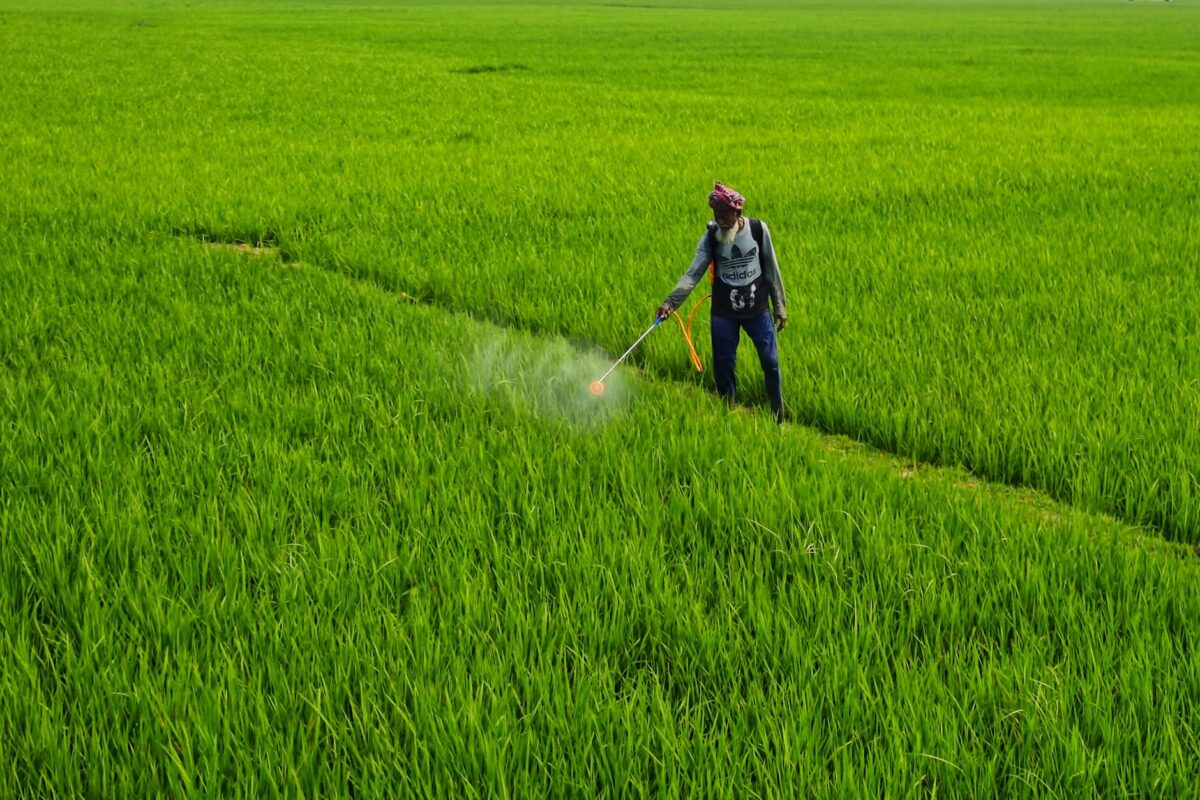
Roundup vs Paraquat lawsuit questions arise when people exposed to herbicides develop serious diseases. Both chemicals face massive litigation in federal courts. However, they target different diseases, involve different defendants, and follow different legal paths. Understanding the Roundup vs Paraquat lawsuit differences helps you determine which claim applies to your situation. Both cases are active multidistrict litigations with thousands of plaintiffs seeking compensation in 2026.
What Is the Roundup Lawsuit?
The Roundup lawsuit involves claims that glyphosate causes non-Hodgkin lymphoma. Glyphosate is the active ingredient in Roundup, the world’s most popular weedkiller. Monsanto manufactured Roundup for decades before Bayer acquired the company in 2018. Plaintiffs allege Monsanto knew about cancer risks but failed to warn users. The litigation is consolidated as MDL No. 2741 in the Northern District of California.
Roundup was available to anyone. Homeowners used it in gardens. Landscapers applied it daily. Farmworkers sprayed it across thousands of acres. This broad consumer access means many different people may qualify for claims. In contrast to paraquat, no special license was required to purchase or apply Roundup.
As of May 2026, Bayer has settled approximately 100,000 Roundup claims totaling over $11 billion. A proposed $7.25 billion settlement would resolve most remaining cases. The settlement framework offers tiered payouts from $10,000 to $165,000 per person. Factors include age, exposure type, and cancer severity. You should consult a licensed attorney to understand how mass tort settlements work and what you may qualify for.
What Is the Paraquat Lawsuit?
The Paraquat lawsuit connects the herbicide paraquat dichloride to Parkinson’s disease. Syngenta and Chevron are the primary defendants. Paraquat is extremely toxic. Unlike Roundup, it was always a restricted-use pesticide. Only commercially licensed applicators could legally handle it. The litigation is consolidated as MDL No. 3004 in the Southern District of Illinois under Judge Nancy J. Rosenstengel.
Plaintiffs are primarily farmworkers, agricultural applicators, and people who lived near sprayed fields. They allege manufacturers knew paraquat increased Parkinson’s risk but concealed the evidence. More than 70 countries have banned paraquat entirely. In 2026, Vermont became the first U.S. state to ban it. Similarly, Syngenta announced it would stop producing paraquat altogether.
Over 6,580 claims are pending in the federal MDL as of May 2026. No global settlement has been finalized yet. However, Syngenta has settled every individual case before it reached a jury. Industry experts estimate potential payouts ranging from $20,000 to $1.5 million per case. These figures remain unconfirmed. A qualified mass tort attorney can evaluate your specific circumstances.
Roundup vs Paraquat Lawsuit — Key Differences
| Factor | Roundup Lawsuit | Paraquat Lawsuit |
|---|---|---|
| Disease Claimed | Non-Hodgkin lymphoma (cancer) | Parkinson’s disease (neurological) |
| Active Chemical | Glyphosate | Paraquat dichloride |
| Primary Defendant | Bayer/Monsanto | Syngenta and Chevron |
| MDL Location | N.D. California (MDL 2741) | S.D. Illinois (MDL 3004) |
| Who Was Exposed | Anyone (consumers, landscapers, farmers) | Licensed applicators, farmworkers, nearby residents |
| Settlement Status | $7.25B proposed settlement; $11B already paid | No global settlement yet; individual cases settling |
| Estimated Payout Range | $10,000–$165,000 (tiered framework) | $20,000–$1.5 million (estimated, unconfirmed) |
| Total Claims Filed | ~161,000 (100K settled, 61K pending) | ~6,580 pending in MDL |
The most critical difference in any Roundup vs Paraquat lawsuit comparison is the disease involved. Roundup claims require a non-Hodgkin lymphoma diagnosis. Paraquat claims require a Parkinson’s disease diagnosis. You cannot file a Roundup claim for Parkinson’s. You cannot file a paraquat claim for lymphoma. The chemical exposure must match the specific health condition.
On the other hand, the litigation stages differ significantly. The Roundup vs Paraquat lawsuit timelines reflect this gap. Roundup litigation is mature with established settlement values. The paraquat litigation is still developing without a finalized global settlement. While Roundup settlements offer more predictable payouts, paraquat cases may ultimately yield higher individual awards because the litigation is earlier-stage and less resolved.
Eligibility Requirements Compared
To qualify for either a mass tort claim, you must prove specific exposure and a confirmed diagnosis. The Roundup vs Paraquat lawsuit eligibility criteria differ based on the product and the illness. Check your statute of limitations because filing deadlines vary by state.
For a Roundup lawsuit, you generally need documented use of Roundup products for an extended period. You must have a confirmed non-Hodgkin lymphoma diagnosis. Medical records linking your exposure timeline to your diagnosis strengthen your case. Unlike paraquat, you do not need a commercial license history.
For a paraquat lawsuit, you need proof of occupational or residential exposure to paraquat. You must have a confirmed Parkinson’s disease diagnosis. Employment records, proximity to agricultural land, and medical documentation are critical. Visit our eligibility guide or try the eligibility quiz for a preliminary assessment of your situation.
📨 Get Free Mass Tort Guides Alerts
Free · No spam · Unsubscribe anytime
Which One Applies to Your Situation
The Roundup vs Paraquat lawsuit that applies to you depends entirely on two questions. First, which herbicide were you exposed to? Second, what diagnosis did you receive? These factors determine your legal path with certainty.
If you used Roundup products and developed non-Hodgkin lymphoma, the Roundup litigation applies. This includes homeowners who sprayed their yards, landscapers, and agricultural workers. The mass tort structure allows individual case evaluation within the broader MDL. You may qualify for the proposed $7.25 billion settlement or pursue an independent claim.
If you were exposed to paraquat through agricultural work or proximity to sprayed fields, and you developed Parkinson’s disease, the paraquat litigation applies. While this Roundup vs Paraquat lawsuit distinction seems straightforward, some people were exposed to both chemicals. In that case, you may have claims in both litigations. A licensed attorney can evaluate whether you qualify for one or both. You can find legal representation through our lawyer finder guide.
In rare cases, family members of exposed workers may also have claims. This is especially true in the paraquat litigation where take-home exposure from contaminated clothing has been documented. Similarly, both litigations allow wrongful death claims filed by surviving family members of those who passed away from NHL or Parkinson’s complications.
Frequently Asked Questions
Can I file both a Roundup and a Paraquat lawsuit?
Yes, if you were exposed to both chemicals and have both diagnoses. However, this is uncommon. Most plaintiffs qualify for one Roundup vs Paraquat lawsuit based on their specific exposure and diagnosis. Each claim is evaluated independently. Consult an attorney who handles both types of herbicide litigation for proper case assessment.
Which lawsuit has higher potential payouts?
The Roundup settlement offers confirmed payouts of $10,000 to $165,000 under the tiered framework. Paraquat estimates range higher at $20,000 to $1.5 million. However, paraquat figures remain unconfirmed and speculative. Neither lawsuit offers guaranteed compensation. Your potential recovery depends on your individual circumstances, including exposure duration and disease severity.
Is it too late to file a Roundup vs Paraquat lawsuit in 2026?
Not necessarily. The Roundup proposed settlement has an opt-out deadline of June 4, 2026. New claims may still be possible depending on your state’s statute of limitations. The paraquat MDL continues accepting new cases. Time limits vary by state, so acting quickly is important. An attorney can determine whether your filing deadline has passed.
Check If You May Qualify
Mass tort eligibility depends on your specific exposure, injuries, and the state where you live. A licensed mass tort attorney can evaluate your situation at no upfront cost — most work on contingency, meaning you pay nothing unless you recover compensation.
Official Sources & Resources
For verified mass tort and MDL information:
- JPML: jpml.uscourts.gov — official MDL statistics and transfer orders
- DOJ: justice.gov — settlement announcements and press releases
- FDA: fda.gov — drug recalls, warning letters, and safety alerts
- CDC: cdc.gov — health condition data and exposure guidelines
- EPA: epa.gov — environmental contamination data
- Cornell LII: law.cornell.edu — plain-English legal definitions
Content last reviewed May 2026. This is general educational information, not legal advice. If you notice outdated information, please contact us.
Related Guides
- All Active MDL Cases
- More in This Category
- Tort Reform by State — 50-State Comparison
- All 50 State Tort Reform Guides
- Mass Tort Explainers
- Demographic Guides
- Mass Tort Tips
- Georgia Tort Reform Guide
- Illinois Tort Reform Guide
- Florida Tort Reform Guide
Attorney Advertising. The information on this page is provided for general informational purposes only and does not constitute legal advice. No attorney-client relationship is created by accessing or using this content. Every case is unique, and results depend on the specific facts and circumstances involved. Past settlement amounts and case outcomes do not guarantee similar results in your case. If you believe you have a legal claim, you should consult with a licensed attorney in your jurisdiction who can evaluate your specific situation.