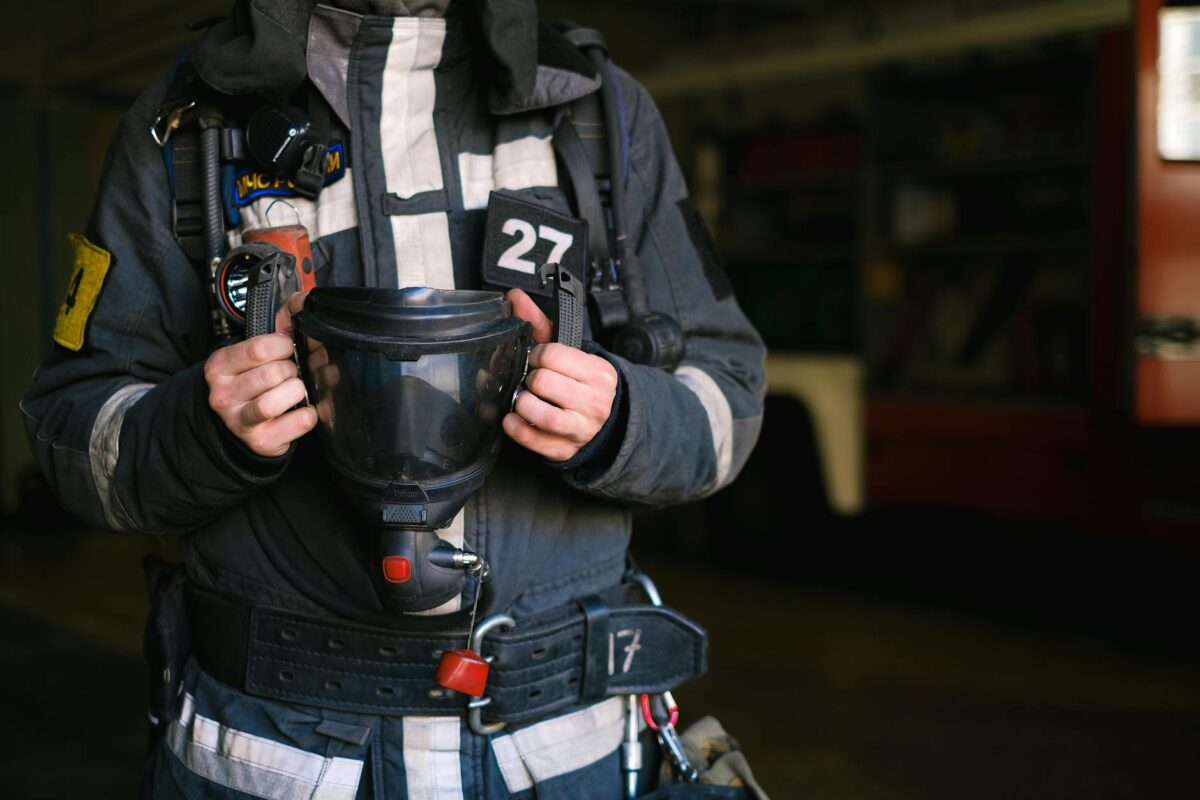
Firefighter foam cancer lawsuit claims are growing across the United States. Thousands of firefighters, military personnel, and airport workers allege that aqueous film-forming foam (AFFF) caused their cancer. These foams contain per- and polyfluoroalkyl substances, commonly known as PFAS or “forever chemicals.” The chemicals do not break down in the human body. As a result, years of occupational exposure may lead to serious health consequences. A firefighter foam cancer lawsuit seeks compensation from the manufacturers who knew about these risks but failed to warn users.
Case Timeline
Last checked: October 18, 2026
What Is the Firefighter Foam Cancer Lawsuit About?
The firefighter foam cancer lawsuit centers on AFFF products used to extinguish fuel-based fires. Fire departments, military bases, and airports relied on these foams for decades. AFFF was considered the most effective tool against petroleum and jet fuel fires. However, the foam’s key ingredients — PFOS and PFOA — are now classified as toxic. These PFAS chemicals accumulate in the blood and organs over time.
Major manufacturers include 3M, DuPont, Chemours, Tyco Fire Products, and National Foam. Plaintiffs allege these companies knew PFAS posed serious health risks. In most cases, they continued selling AFFF without adequate warnings. Internal documents suggest some manufacturers suppressed safety data for years.
The cancers at the heart of every firefighter foam cancer lawsuit include kidney cancer, testicular cancer, liver cancer, and thyroid cancer. Non-cancer conditions like thyroid disease and ulcerative colitis also qualify. The National Cancer Institute continues to study the link between PFAS exposure and elevated cancer risk. Epidemiological research shows significantly higher cancer rates among those with high PFAS blood levels.
MDL Case Status and Key Facts
The firefighter foam cancer lawsuit is consolidated in a federal multidistrict litigation. The case is managed in the U.S. District Court for the District of South Carolina. Below are the key details as of 2026.
| Detail | Information |
|---|---|
| MDL Number | MDL No. 2873 |
| Case Title | Aqueous Film-Forming Foam (AFFF) Products Liability Litigation |
| Presiding Judge | Hon. Richard M. Gergel |
| Federal District | District of South Carolina (Charleston) |
| Pending Cases (April 2026) | Approximately 15,222 personal injury actions |
| Total Historical Actions | Approximately 19,795 |
| Bellwether Trial Status | No personal injury trial date currently set |
In September 2025, over 37,000 new claims were filed during a court-ordered filing window. Judge Gergel created this 21-day period through Case Management Order No. 35. The surge prompted the court to pause new intake to verify medical and exposure documentation. An original bellwether trial was scheduled for October 2025 but was vacated. As a result, no personal injury jury verdicts have occurred yet.
For example, water utility settlements have already been finalized. 3M agreed to pay up to $10.3 billion to resolve public water system claims. DuPont, Chemours, and Corteva collectively settled water claims for $1.185 billion. However, these water settlements do not cover individual cancer victims. Personal injury claims remain on a separate legal track within MDL 2873.
Who Qualifies for the Firefighter Foam Cancer Lawsuit?
To pursue a firefighter foam cancer lawsuit, you must demonstrate occupational exposure to AFFF. Typically, this includes career and volunteer firefighters who used foam during training or emergencies. Military firefighters and airport crash rescue crews also qualify. Industrial workers at refineries and chemical plants with AFFF exposure may be eligible as well.
The MDL recognizes six core qualifying conditions. These are kidney cancer, testicular cancer, liver cancer, thyroid cancer, thyroid disease, and ulcerative colitis. Additional cancers like bladder cancer and prostate cancer have scientific support. However, they are not yet part of the MDL’s official condition list. A licensed attorney can evaluate whether your specific diagnosis qualifies.
Evidence typically needed includes employment records, training logs, and medical records showing diagnosis. Blood tests documenting elevated PFAS levels can strengthen a claim. The exposure period may span any time AFFF was used at your workplace. In most cases, plaintiffs must show regular or repeated contact with the foam over months or years.
How to File a Firefighter Foam Cancer Lawsuit Claim
Filing a firefighter foam cancer lawsuit begins with consulting a mass tort attorney. Many firms offer free case evaluations for AFFF-related claims. Your attorney will review your exposure history, medical records, and diagnosis. If your case qualifies, they will file a complaint in MDL 2873.
After filing, you will typically complete a Plaintiff Fact Sheet. This document details your personal exposure history, work locations, and medical timeline. The court uses fact sheets to organize and prioritize cases. Your attorney handles the paperwork, but accuracy is essential.
Statutes of limitations vary by state. Most states allow two to four years from the date of diagnosis or discovery. Many states apply the “discovery rule.” This means the clock starts when you learned — or should have learned — that AFFF caused your illness. Tolling agreements within the MDL may also pause deadlines. However, attorneys strongly recommend filing promptly. A potential settlement cutoff could limit future claims.
📨 Get Free Mass Tort Guides Alerts
Free · No spam · Unsubscribe anytime
Settlement Updates and What to Expect
No global personal injury settlement has been reached in the firefighter foam cancer lawsuit as of May 2026. Water utility settlements exceeding $14 billion have been finalized across multiple defendants. However, individual cancer victims have not yet received payouts. Judge Gergel has encouraged defendants to negotiate a comprehensive resolution.
Legal analysts anticipate a personal injury settlement framework in 2026 or 2027. Settlement values for individual claimants will likely depend on several factors. These include cancer type, severity of illness, duration of exposure, and strength of documentation. Historically, mass tort settlements create tiered payout structures. More serious diagnoses typically receive higher compensation.
If a settlement is reached, the process may take additional time. Claims will need to be reviewed and scored under the agreed framework. Most mass tort payouts are distributed over months or years. You should consult a licensed attorney to understand how a firefighter foam cancer lawsuit settlement might apply to your situation. No outcome is guaranteed.
State-by-State Considerations
State tort reform laws can significantly affect a firefighter foam cancer lawsuit. Each state sets its own statute of limitations, damage caps, and evidentiary rules. For example, New Jersey has been the most aggressive state in PFAS enforcement. The state secured over $2 billion in environmental settlements from manufacturers in 2025 alone. Wisconsin has pursued claims against Tyco Fire Products for contamination near its Marinette facility.
States with large military installations tend to have higher plaintiff concentrations. These include California, Florida, Texas, Virginia, and North Carolina. Your state’s tort reform laws may limit available damages or impose shorter filing deadlines. An attorney familiar with your state’s rules can help you understand these factors before you file.
Frequently Asked Questions
How long does a firefighter foam cancer lawsuit take to resolve?
Mass tort cases typically take several years from filing to resolution. The AFFF MDL has been active since 2018. Attorneys expect a personal injury settlement framework within the next one to two years. However, individual timelines depend on case complexity and court scheduling.
Do I need to pay upfront to file a firefighter foam cancer lawsuit?
Most mass tort attorneys work on a contingency fee basis. This means you pay nothing upfront. Your attorney collects a percentage only if you receive compensation. You should discuss fee structures during your initial consultation with any prospective law firm.
What if I was exposed to AFFF but have not been diagnosed with cancer?
Currently, the MDL focuses on plaintiffs with diagnosed qualifying conditions. If you were exposed but remain healthy, you may want to monitor your health closely. The EPA recognizes PFAS as a serious public health concern. Consult your doctor about PFAS blood testing if you have a history of occupational foam exposure.
Check If You May Qualify
Mass tort eligibility depends on your specific exposure, injuries, and the state where you live. A licensed mass tort attorney can evaluate your situation at no upfront cost — most work on contingency, meaning you pay nothing unless you recover compensation.
Official Sources & Resources
For verified mass tort and MDL information:
- JPML: jpml.uscourts.gov — official MDL statistics and transfer orders
- DOJ: justice.gov — settlement announcements and press releases
- FDA: fda.gov — drug recalls, warning letters, and safety alerts
- CDC: cdc.gov — health condition data and exposure guidelines
- EPA: epa.gov — environmental contamination data
- Cornell LII: law.cornell.edu — plain-English legal definitions
Content last reviewed May 2026. This is general educational information, not legal advice. If you notice outdated information, please contact us.
Related Guides
- All Active MDL Cases
- More in This Category
- Tort Reform by State — 50-State Comparison
- All 50 State Tort Reform Guides
- Mass Tort Explainers
- Demographic Guides
- Mass Tort Tips
- Florida Tort Reform Guide
- Pennsylvania Tort Reform Guide
- New Jersey Tort Reform Guide
Attorney Advertising. The information on this page is provided for general informational purposes only and does not constitute legal advice. No attorney-client relationship is created by accessing or using this content. Every case is unique, and results depend on the specific facts and circumstances involved. Past settlement amounts and case outcomes do not guarantee similar results in your case. If you believe you have a legal claim, you should consult with a licensed attorney in your jurisdiction who can evaluate your specific situation.