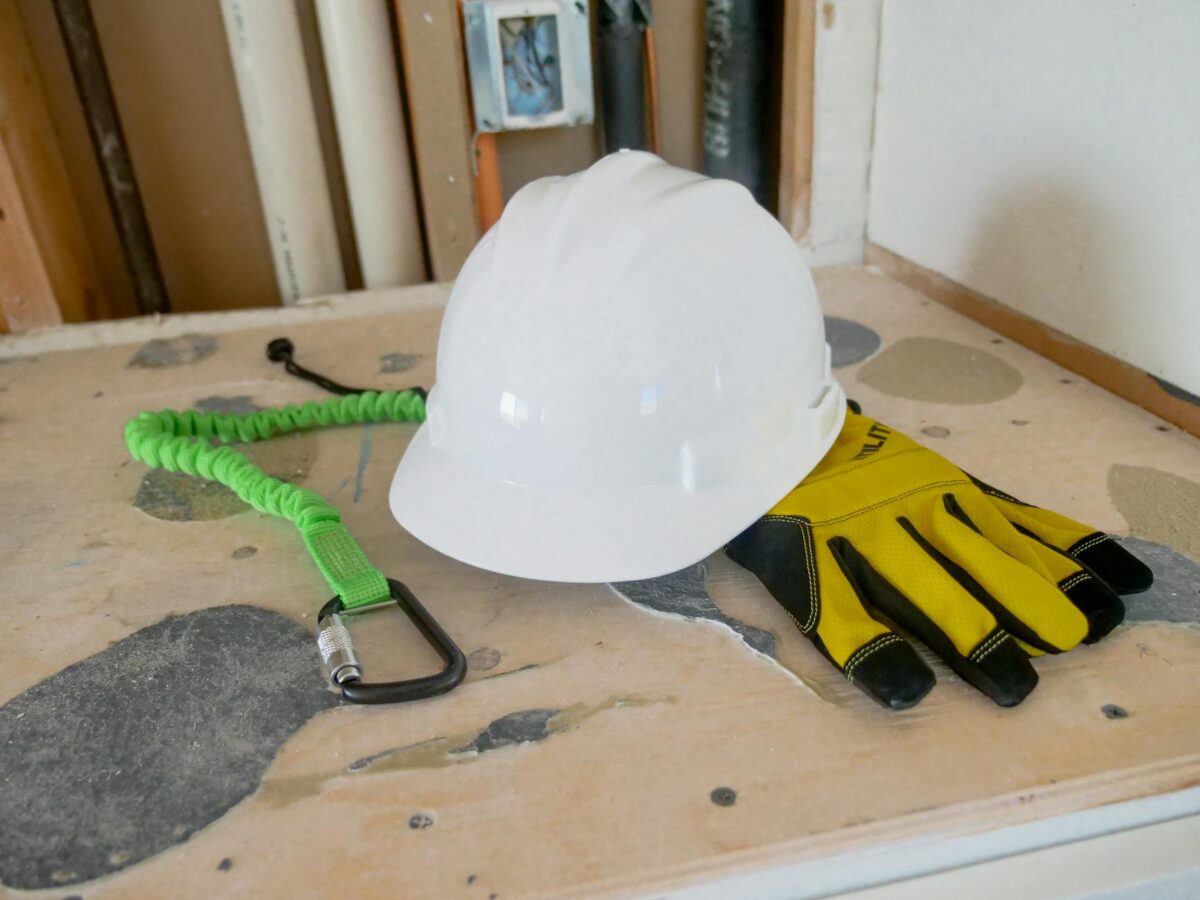
Mass torts for construction workers represent some of the most important legal actions in 2026. If you built, demolished, or renovated structures for a living, you faced dangers most people never see. Asbestos fibers. PFAS-laden dust. Silica particles. Lead paint chips. These hazards were part of your daily routine. Now, years or decades later, the health consequences are showing up. You deserve to know your legal options. Mass torts for construction workers exist because these exposures were preventable. Manufacturers knew these materials were dangerous. Many failed to warn you.
Understanding Mass Torts for Construction Workers: Why This Group Is at Risk
Construction workers face a unique combination of toxic exposures. You cut, grind, sand, and demolish materials every day. Each of those actions can release invisible hazards into the air. Unlike office workers, you breathe in these particles for entire shifts. Protective equipment was often unavailable or inadequate. OSHA sets strict limits on exposure levels. But for decades, many job sites ignored those rules entirely.
Asbestos remains the most dangerous legacy threat. It was used in insulation, floor tiles, roofing, and pipe fittings through the 1980s. Construction is the second most common occupational sector for mesothelioma, accounting for 13.5% of all cases. Symptoms can take 30 to 50 years to appear. That means workers exposed in the 1980s and 1990s are getting diagnosed right now.
PFAS chemicals are the emerging threat. These “forever chemicals” are found in waterproofing coatings, sealants, adhesives, and paints. Demolition and renovation work generates PFAS-laden dust. A UMass Lowell study launched in 2024 is the first to systematically measure PFAS exposure in construction workers. Early findings confirm that cutting, grinding, and welding release PFAS from treated materials. Mass torts for construction workers now include these chemical exposures alongside traditional asbestos claims.
Active Lawsuits Affecting This Group
Several major federal lawsuits directly affect construction workers in 2026. The Judicial Panel on Multidistrict Litigation (JPML) consolidates related cases into single proceedings called MDLs. This makes litigation more efficient. It also gives individual workers access to legal resources they could not afford alone. Mass torts for construction workers are concentrated in two major MDLs right now.
| MDL | Case Name | Court | Pending Cases | Primary Injuries | Status (2026) |
|---|---|---|---|---|---|
| MDL 875 | Asbestos Products Liability Litigation (No. VI) | E.D. Pennsylvania | ~13,000+ | Mesothelioma, asbestosis, lung cancer | Active; new filings ongoing |
| MDL 2873 | AFFF Firefighting Foam (PFAS) | D. South Carolina | 15,222 | Kidney cancer, testicular cancer, thyroid disease, ulcerative colitis | Active; global settlement expected 2026–2027 |
Recent verdicts show the strength of these claims. In May 2025, a New York jury awarded $117 million to a construction worker diagnosed with mesothelioma after World Trade Center asbestos exposure. In January 2026, a Louisiana court awarded $12.5 million against Goodyear Tire for asbestos brake product exposure. On the PFAS side, 3M agreed to a $10.5 to $12.5 billion settlement for water system contamination. DuPont and Chemours settled for $1.185 billion. Mass torts for construction workers continue to produce significant results.
Silicosis litigation is also expanding rapidly. California alone has confirmed 542 silicosis cases as of April 2026. No formal MDL exists yet, but one is widely anticipated. Construction workers who cut engineered stone countertops face the highest risk. Mass torts for construction workers in the silica space are expected to grow substantially through 2027.
Eligibility and Evidence Requirements
To pursue mass torts for construction workers, you generally need three things. First, a diagnosed medical condition linked to toxic exposure. Second, evidence of workplace exposure to the substance. Third, a connection between the exposure and your employer, job site, or product manufacturer. A licensed attorney can help you determine if your situation meets these requirements.
Medical records are your most important evidence. Get copies of all diagnoses, imaging results, pathology reports, and treatment records. Your doctor should document the suspected cause of your illness. For asbestos claims, a mesothelioma or asbestosis diagnosis is often sufficient to establish injury. For PFAS claims, the six qualifying conditions include kidney cancer, testicular cancer, thyroid cancer, liver cancer, thyroid disease, and ulcerative colitis.
Employment records matter just as much. Gather pay stubs, W-2 forms, union membership cards, and work history documentation. Identify every job site where you worked. Note the years, the type of work, and the materials you handled. Coworker testimony can also support your claim. If your employer no longer exists, union records or OSHA inspection records may help fill the gaps. Construction workers often have the strongest cases because their exposure was direct and prolonged.
Step-by-Step: How to Check If You Qualify
Step 1: Identify your exposure. Think back through your career. Did you work with insulation, floor tiles, roofing materials, pipe fittings, or drywall before the mid-1980s? Did you use waterproofing coatings, sealants, or adhesives? Did you cut engineered stone countertops? Any of these may have exposed you to asbestos, PFAS, or silica. Write down every job site and employer you can remember.
Step 2: Get a medical evaluation. See a doctor who specializes in occupational medicine. Tell them about your work history and the materials you handled. Request screening for asbestos-related conditions, including chest X-rays or CT scans. If you have PFAS concerns, ask about blood testing. Early detection matters. Many conditions linked to mass torts for construction workers are treatable when caught early.
Step 3: Consult a licensed attorney. Bring your medical records and work history to an attorney experienced in occupational exposure cases. Most mass tort attorneys offer free case evaluations. They work on a contingency fee basis, meaning you pay nothing upfront. Your attorney will determine which MDLs, trust fund claims, or individual lawsuits apply to your situation. Mass torts for construction workers often involve multiple claims filed simultaneously.
Financial Considerations and Timeline
Mass tort cases take time. Asbestos trust fund claims typically process in 3 to 6 months. Expedited review is available for seriously ill claimants. Federal MDL cases can take 2 to 5 years to reach settlement or trial. Individual lawsuits vary widely by jurisdiction. Your attorney should give you a realistic timeline based on your specific claim.
Over 60 active asbestos bankruptcy trust funds hold an estimated $30 to $35 billion in remaining assets. These trusts have already paid out more than $17 billion since 1988. The average mesothelioma claimant recovers $300,000 to $400,000 from combined trust fund filings. Jury verdicts for mesothelioma average $5 million to $11 million. Mass torts for construction workers can involve both trust claims and litigation simultaneously.
📨 Get Free Mass Tort Guides Alerts
Free · No spam · Unsubscribe anytime
Most attorneys handle these cases on contingency. Typical fees range from 25% to 40% of the recovery. You pay nothing unless your attorney wins. Court costs and filing fees are usually advanced by the law firm. Ask your attorney to explain their fee structure in writing before you sign anything. Veterans should also check eligibility under the PACT Act, which has expanded VA benefits to over one million toxic-exposed veterans since 2022.
Finding the Right Attorney
Not every lawyer handles mass torts for construction workers. You need someone who understands occupational exposure litigation specifically. Look for attorneys with a proven track record in asbestos, PFAS, or silicosis cases. Ask how many construction worker clients they have represented. Ask about their results in MDL 875 or MDL 2873.
Start with your state bar association’s lawyer referral service. National organizations like the American Association for Justice maintain directories of mass tort attorneys. If you are a union member, your local chapter may have legal referral resources. Many construction trade unions have partnerships with law firms experienced in occupational exposure claims.
Be cautious of firms that promise specific outcomes. No attorney can guarantee results. The right lawyer will be honest about your chances. They will explain the process clearly. They will not pressure you to sign immediately. Mass torts for construction workers are complex cases. You deserve an attorney who takes the time to understand your specific work history and exposure profile. Always consult a licensed attorney before making any legal decisions about your claim.
Frequently Asked Questions
Can I still file a claim if my employer went out of business years ago?
Yes. Mass torts for construction workers target product manufacturers, not just employers. Over 60 asbestos bankruptcy trust funds exist specifically for this situation. Your claim is based on the products you were exposed to, not just who employed you. An attorney can identify which trusts and manufacturers apply to your work history. Union records, OSHA logs, and coworker statements can help establish your exposure even without employer cooperation.
Is there a deadline to file a mass tort claim for workplace exposure?
Yes, but the timeline may be longer than you think. Most states follow the “discovery rule.” This means the statute of limitations clock starts when you are diagnosed or when you learn your illness is connected to workplace exposure. In California, asbestos claims must be filed within one year of diagnosis.
In New York, the deadline is three years. Because mass torts for construction workers involve diseases with 30- to 50-year latency periods, many workers are still within their filing window. Consult an attorney in your state as soon as possible.
What if I was exposed to multiple toxic substances on different job sites?
This is common among construction workers. You may qualify for multiple claims. An experienced attorney can file asbestos trust fund claims, participate in the PFAS MDL, and pursue individual lawsuits at the same time. Each exposure is evaluated separately. Having multiple exposures does not weaken your case. In fact, it may increase your potential compensation. Mass torts for construction workers often involve layered claims across different substances and time periods.
Check If You May Qualify
Mass tort eligibility depends on your specific exposure, injuries, and the state where you live. A licensed mass tort attorney can evaluate your situation at no upfront cost — most work on contingency, meaning you pay nothing unless you recover compensation.
Official Sources & Resources
For verified mass tort and MDL information:
- JPML: jpml.uscourts.gov — official MDL statistics and transfer orders
- DOJ: justice.gov — settlement announcements and press releases
- FDA: fda.gov — drug recalls, warning letters, and safety alerts
- CDC: cdc.gov — health condition data and exposure guidelines
- EPA: epa.gov — environmental contamination data
- Cornell LII: law.cornell.edu — plain-English legal definitions
Content last reviewed May 2026. This is general educational information, not legal advice. If you notice outdated information, please contact us.
Related Guides
- All Active MDL Cases
- More in This Category
- Tort Reform by State — 50-State Comparison
- All 50 State Tort Reform Guides
- Mass Tort Explainers
- Demographic Guides
- Mass Tort Tips
- New York Tort Reform Guide
- New Jersey Tort Reform Guide
- Illinois Tort Reform Guide
Attorney Advertising. The information on this page is provided for general informational purposes only and does not constitute legal advice. No attorney-client relationship is created by accessing or using this content. Every case is unique, and results depend on the specific facts and circumstances involved. Past settlement amounts and case outcomes do not guarantee similar results in your case. If you believe you have a legal claim, you should consult with a licensed attorney in your jurisdiction who can evaluate your specific situation.