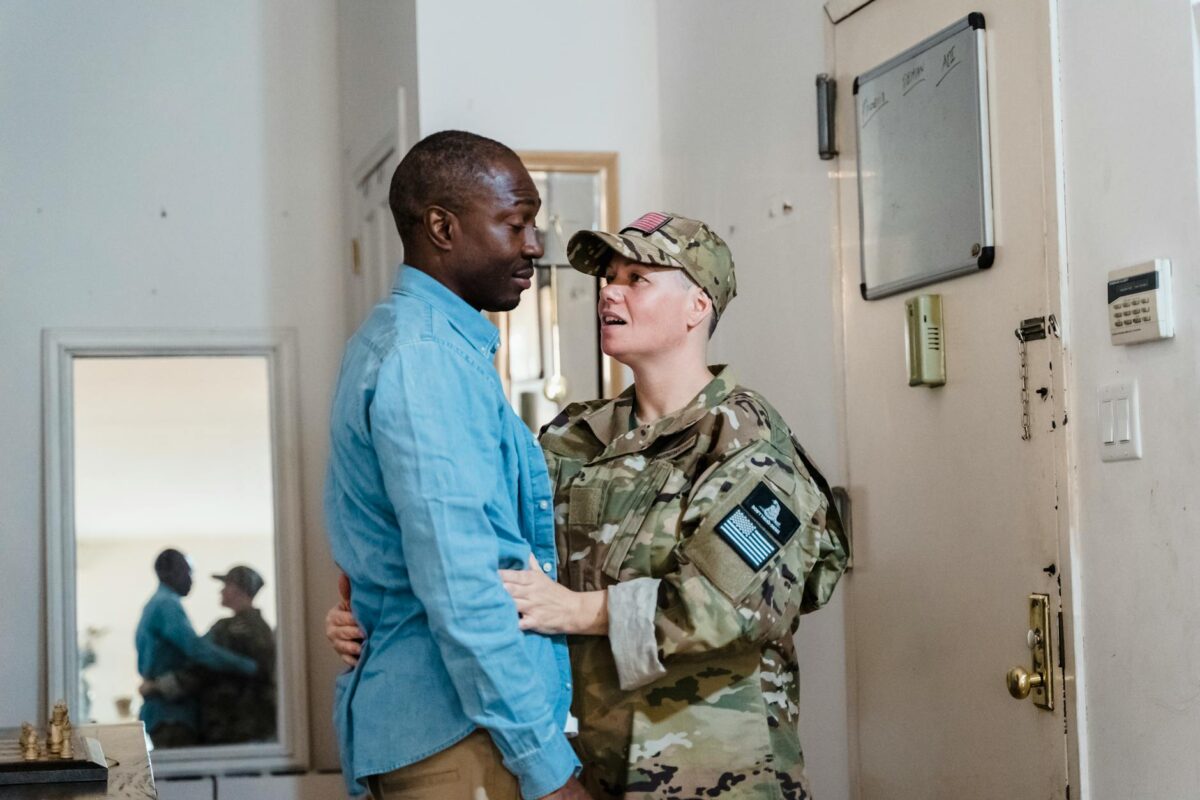
Camp Lejeune lawsuit spouses dependents face a unique legal situation in 2026. Hundreds of thousands of military family members were exposed to toxic drinking water. They lived on base trusting it was safe. Now, the Camp Lejeune Justice Act gives them a direct path to seek compensation. If you are a spouse, child, or dependent who lived at Camp Lejeune between 1953 and 1987, you may qualify for significant financial recovery.
Understanding Camp Lejeune Lawsuit Spouses Dependents: Why This Group Is at Risk
Camp Lejeune lawsuit spouses dependents were exposed to contaminated water daily. The base’s drinking water contained trichloroethylene (TCE) at 280 times the safe limit. It also contained tetrachloroethylene (PCE) at 43 times above safe levels. Benzene and vinyl chloride were present at dangerous concentrations. Family members used this water for drinking, cooking, bathing, and laundry.
The contamination lasted from August 1, 1953 through December 31, 1987. Two water systems were affected: Hadnot Point and Tarawa Terrace. An off-base dry cleaning facility contaminated Tarawa Terrace. Leaking underground storage tanks poisoned Hadnot Point wells. Spouses who stayed home on base often had higher daily water exposure than service members deployed elsewhere.
Children and pregnant spouses faced the greatest biological risk. In utero exposure has been linked to neural tube defects, cardiac defects, and childhood leukemia. The ATSDR has documented clear connections between these chemicals and serious diseases. Camp Lejeune lawsuit spouses dependents deserve answers and accountability.
Active Lawsuits Affecting This Group
The primary litigation for Camp Lejeune lawsuit spouses dependents is consolidated in MDL No. 3300. This multidistrict litigation sits in the Eastern District of North Carolina. As of January 2026, over 3,715 lawsuits have been filed. More than 400,000 administrative claims have been submitted to the Department of the Navy. This is the largest mass tort in United States history.
The court has organized bellwether cases into tracks. Track 1 includes 25 plaintiffs with five disease categories. These cases will produce the first jury verdicts in Camp Lejeune litigation. The government has filed over 30 Daubert motions challenging plaintiff experts. Trial dates are expected once those motions are resolved. Twenty-four cases are positioned for trial in 2026.
| Litigation Detail | Current Status (2026) |
|---|---|
| MDL Number | 3300 — Eastern District of North Carolina |
| Total Lawsuits Filed | 3,715+ (as of January 2026) |
| Administrative Claims | 400,000+ submitted to Dept. of Navy |
| Elective Option Settlements | 2,531+ approved (~$708 million paid) |
| Track 1 Bellwether Cases | 25 plaintiffs — bladder cancer, kidney cancer, leukemia, NHL, Parkinson’s |
| Trial Timeline | 24 cases positioned for 2026 trial |
The DOJ announced in March 2026 that 649 Elective Option settlements totaling $175 million were approved in just three weeks. This accelerating pace benefits Camp Lejeune lawsuit spouses dependents who meet tier qualifications.
Eligibility and Evidence Requirements
Camp Lejeune lawsuit spouses dependents must meet specific criteria to file a claim. You must have lived at Camp Lejeune or MCAS New River for at least 30 cumulative days. Those days must fall between August 1, 1953 and December 31, 1987. You must have a qualifying medical condition linked to water contamination. Children exposed in utero also qualify if their mother lived on base during pregnancy.
Gathering evidence is critical for family members. You will need proof of your relationship to the service member. This includes marriage certificates, birth certificates, or adoption papers. You also need evidence of residence on base. Base housing records, utility bills, and military orders all help. Medical records connecting your diagnosis to toxic exposure complete your claim.
Special considerations apply to Camp Lejeune lawsuit spouses dependents. Unlike veterans, family members may not have military service records. Housing assignments and dependent ID card records can fill this gap. The VA maintains some dependent housing records from this era. A knowledgeable attorney can help locate documentation through Freedom of Information Act requests.
Step-by-Step: How to Check If You Qualify
Follow these steps to determine if you may qualify as a Camp Lejeune lawsuit spouses dependents claimant:
1. Confirm your dates on base. Did you live at Camp Lejeune or MCAS New River for 30+ days between August 1953 and December 1987? 2. Identify your medical condition. Do you have any of the 15 covered conditions? These include kidney cancer, bladder cancer, leukemia, non-Hodgkin’s lymphoma, Parkinson’s disease, liver cancer, multiple myeloma, breast cancer, or birth defects. 3. Gather your documentation. Collect marriage or birth certificates, base housing records, and complete medical records showing your diagnosis.
4. Check the Navy’s official eligibility page for current requirements. 5. Apply for VA health care benefits through the Camp Lejeune Family Member Program using VA Form 10-10068. This provides medical expense reimbursement regardless of your lawsuit status. 6. Consult a licensed attorney experienced with Camp Lejeune family member claims. Many offer free case evaluations with no upfront cost.
Filing a lawsuit does not prevent you from receiving VA health care benefits. These are separate programs. Camp Lejeune lawsuit spouses dependents should pursue both paths simultaneously for maximum protection.
Financial Considerations and Timeline
The Elective Option settlement program offers structured payouts based on condition tier and exposure duration. Tier 1 conditions like kidney cancer and leukemia have potential payouts ranging from $150,000 to $550,000. Tier 2 conditions such as Parkinson’s disease range from $100,000 to $400,000. These amounts depend on years of exposure and whether the condition caused death.
📨 Get Free Mass Tort Guides Alerts
Free · No spam · Unsubscribe anytime
Camp Lejeune lawsuit spouses dependents should understand the timeline. The Elective Option can resolve faster than litigation. Once offered, you have 60 days to accept or request reconsideration. The litigation track is slower. Bellwether trials have not yet produced verdicts. Jury results in 2026 will set benchmarks for mass settlement negotiations. Most attorneys expect resolution of remaining cases to take several more years.
Most Camp Lejeune attorneys work on contingency. You pay nothing upfront. Attorney fees typically come from your eventual recovery. Always confirm fee arrangements in writing before signing. Ask about costs for medical record retrieval and expert consultations. Camp Lejeune lawsuit spouses dependents should never pay out-of-pocket fees to begin a case.
Finding the Right Attorney
Camp Lejeune lawsuit spouses dependents need an attorney who understands family member claims. These cases differ from veteran claims. Family members lack military service records. Their exposure patterns differ. Their available documentation is different. Look for a firm with specific experience representing spouses and dependents in Camp Lejeune cases.
Ask potential attorneys these questions. How many Camp Lejeune family member cases have they filed? Do they handle both the Elective Option and litigation tracks? Can they help you access base housing records? Will they assist with your VA Family Member Program application simultaneously? A good attorney addresses both your legal claim and your immediate health care needs.
Avoid firms that guarantee specific dollar amounts. No one can promise a particular outcome. Be cautious of high-pressure tactics or demands for upfront payment. Legitimate Camp Lejeune lawsuit spouses dependents attorneys work on contingency. They should provide a clear written fee agreement. We strongly recommend consulting a licensed attorney before making any decisions about your claim.
Frequently Asked Questions
Can I file a Camp Lejeune claim if my spouse has passed away?
Yes. Surviving spouses and children can file wrongful death claims under the Camp Lejeune Justice Act. You may also pursue claims for your own health conditions from your personal exposure. Camp Lejeune lawsuit spouses dependents include both living claimants and estates of deceased family members. A licensed attorney can explain which claims apply to your situation.
Do I qualify if I was born at Camp Lejeune but only lived there briefly?
You need at least 30 cumulative days of residence. Children born on base and exposed in utero may qualify even with shorter postnatal stays. The 30-day requirement can include time in the womb if your mother lived on base. Birth defects and childhood cancers linked to in utero exposure are covered conditions. Consult an attorney to evaluate your specific timeline.
Will filing a lawsuit affect my VA health care benefits?
No. The Camp Lejeune Family Member Program and the Camp Lejeune Justice Act lawsuit are entirely separate. You can receive VA medical expense reimbursement while pursuing litigation or an Elective Option settlement. Camp Lejeune lawsuit spouses dependents should apply for both. The VA program reimburses out-of-pocket costs for covered conditions up to two years before your application date.
Check If You May Qualify
Mass tort eligibility depends on your specific exposure, injuries, and the state where you live. A licensed mass tort attorney can evaluate your situation at no upfront cost — most work on contingency, meaning you pay nothing unless you recover compensation.
Official Sources & Resources
For verified mass tort and MDL information:
- JPML: jpml.uscourts.gov — official MDL statistics and transfer orders
- DOJ: justice.gov — settlement announcements and press releases
- FDA: fda.gov — drug recalls, warning letters, and safety alerts
- CDC: cdc.gov — health condition data and exposure guidelines
- EPA: epa.gov — environmental contamination data
- Cornell LII: law.cornell.edu — plain-English legal definitions
Content last reviewed May 2026. This is general educational information, not legal advice. If you notice outdated information, please contact us.
Related Guides
- All Active MDL Cases
- More in This Category
- Tort Reform by State — 50-State Comparison
- All 50 State Tort Reform Guides
- Mass Tort Explainers
- Demographic Guides
- Mass Tort Tips
- North Carolina Tort Reform Guide
- Georgia Tort Reform Guide
- Illinois Tort Reform Guide
Attorney Advertising. The information on this page is provided for general informational purposes only and does not constitute legal advice. No attorney-client relationship is created by accessing or using this content. Every case is unique, and results depend on the specific facts and circumstances involved. Past settlement amounts and case outcomes do not guarantee similar results in your case. If you believe you have a legal claim, you should consult with a licensed attorney in your jurisdiction who can evaluate your specific situation.