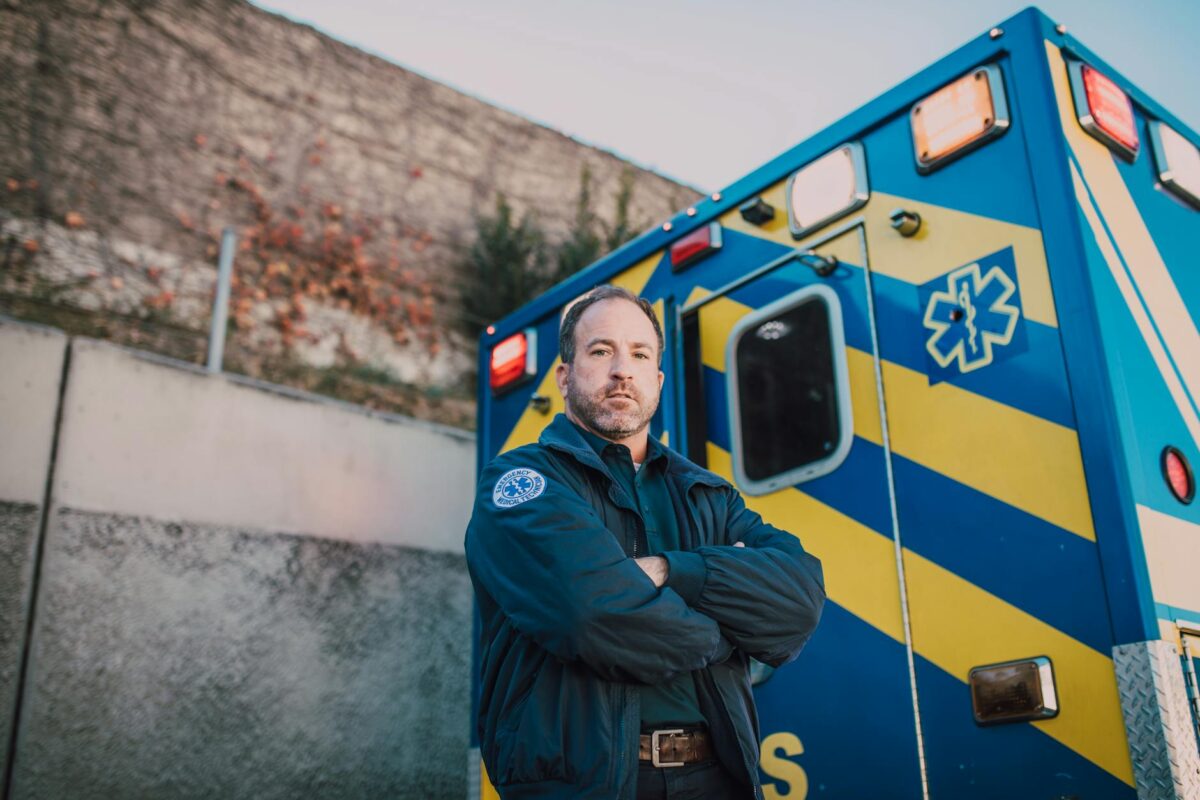
Mass torts for first responders represent some of the most important legal actions in 2026. Firefighters, paramedics, and EMTs face chemical exposures that most workers never encounter. AFFF firefighting foam contains PFAS chemicals now classified as carcinogenic by the World Health Organization. Turnout gear worn on every call also contains these toxic compounds. The people who protect our communities deserve to know their legal options. If you served as a first responder, you may qualify for compensation through active mass tort litigation.
Understanding Mass Torts for First Responders: Why This Group Is at Risk
First responders face a unique combination of chemical exposures. Firefighters train with AFFF foam containing PFAS, known as “forever chemicals.” They wear turnout gear loaded with the same toxic compounds. They breathe diesel exhaust during 24- to 48-hour shifts at fire stations. These exposures happen repeatedly over entire careers. The CDC’s NIOSH Firefighter Cancer Study found that firefighters have a 9% higher cancer risk than the general population. They also face a 14% higher risk of dying from cancer.
Mass torts for first responders address these occupational dangers through the legal system. In November 2023, the International Agency for Research on Cancer classified PFOA as a Group 1 carcinogen. This means it is a confirmed cause of cancer in humans. PFOS received a Group 2B classification as possibly carcinogenic. Both chemicals are present in AFFF foam and protective gear. A 2026 University of Arizona study confirmed that firefighters carry the highest PFAS blood levels of any occupational group.
The exposure pathways are alarming. AFFF foam is absorbed through the skin during training and emergency responses. NIST published research in May 2026 showing that wear and tear increases PFAS levels released from turnout gear. Firefighters absorb these chemicals through their skin, especially when gear is heated. Diesel exhaust exposure in fire stations adds another known Group 1 carcinogen to the mix. These combined exposures make mass torts for first responders a critical area of litigation.
Active Lawsuits Affecting This Group
Several major mass tort actions are active in 2026. The largest is MDL 2873, the AFFF Products Liability Litigation. This case is before Judge Richard M. Gergel in the U.S. District Court for the District of South Carolina. As of April 2026, there are 15,222 pending personal injury cases. Both AFFF foam claims and turnout gear PFAS claims are consolidated in this single MDL. Defendants include 3M, DuPont, Chemours, and multiple gear manufacturers.
| Litigation | MDL / Court | Pending Cases | Injury Types | Status (2026) |
|---|---|---|---|---|
| AFFF Foam / Turnout Gear PFAS | MDL 2873, D.S.C. | 15,222 | Kidney, testicular, liver, thyroid cancer; ulcerative colitis | Bellwether trial pending; settlement expected 2026-2027 |
| Camp Lejeune Water | E.D.N.C. | 3,718 lawsuits (408,000+ claims) | Bladder cancer, kidney cancer, leukemia, Parkinson’s, NHL | $421M paid; 24 bellwether trials in 2026 |
| 9/11 VCF | Federal Fund (VCF.gov) | Ongoing through 2090 | Respiratory illness, cancer, other WTC-related conditions | $16.8B awarded to 71,000+ claimants |
Mass torts for first responders also include the Camp Lejeune Justice Act claims. Over 408,000 administrative claims were filed with the Department of the Navy. The government has paid $421 million in settlements since January 2025. However, only 2,353 settlements have been approved — less than 1% of total claims. Twenty-four bellwether cases are heading to trial in 2026. These will produce the first jury verdicts in Camp Lejeune cases. Military firefighters and base first responders who served at Camp Lejeune between 1953 and 1987 may qualify.
The September 11th Victim Compensation Fund remains active for 9/11 first responders. Over $16.8 billion has been awarded to more than 71,000 claimants. The fund awarded nearly $2 billion in 2025 alone. New claims are running at approximately 900 per month. The fund is permanently authorized through 2090. New York State extended a key registration deadline to September 11, 2026.
Eligibility and Evidence Requirements
Eligibility for mass torts for first responders depends on your specific exposure and diagnosis. For AFFF claims in MDL 2873, six core conditions are currently at issue. These include kidney cancer, testicular cancer, liver cancer, thyroid cancer, thyroid disease, and ulcerative colitis. You must show a history of AFFF exposure through your work. This includes training exercises, emergency responses, or equipment maintenance involving the foam.
Documentation is critical. Gather your employment records showing dates and locations of service. Training records that document AFFF foam use are especially valuable. Medical records confirming your diagnosis and treatment history are essential. Blood test results showing PFAS levels can strengthen your case. Fire department incident reports may document specific exposure events. If your department kept records of foam inventory or training schedules, request copies now.
First responders have special advantages in these cases. Forty-eight states plus Washington, D.C. have enacted firefighter cancer presumption laws. These laws presume that certain cancers in firefighters are work-related. This shifts the burden of proof to the employer or insurer. California expanded these protections to airport firefighters effective January 1, 2026. Nebraska expanded coverage for retiring firefighters in 2025. Only Delaware and South Carolina lack presumption legislation. An attorney experienced with mass torts for first responders can explain which presumptions apply in your state.
Step-by-Step: How to Check If You Qualify
Step 1: Document your service history. Write down every department where you worked and the dates of employment. Note any specific AFFF training exercises you participated in. Record fire stations where you lived during shifts. Step 2: Identify your exposures. AFFF foam, turnout gear, diesel exhaust, and hazardous material responses all count. If you served at Camp Lejeune or responded to the World Trade Center, note those separately.
Step 3: Gather your medical records. Request complete records from every doctor, hospital, and specialist who treated you. Get copies of any cancer screenings, biopsies, or blood work. Step 4: Check your diagnosis against active litigation. The AFFF MDL covers kidney, testicular, liver, and thyroid cancers, plus thyroid disease and ulcerative colitis. Camp Lejeune covers bladder cancer, kidney cancer, leukemia, non-Hodgkin lymphoma, and Parkinson’s disease.
Step 5: Consult a licensed attorney who handles mass torts for first responders. Most mass tort attorneys offer free case evaluations. They work on contingency, meaning you pay nothing upfront. An attorney can review your records and determine which active litigation applies to your situation. Do not wait — statutes of limitations vary by state and claim type. The Camp Lejeune administrative filing deadline has already passed, though lawsuits may still be filed in certain circumstances.
Financial Considerations and Timeline
Mass torts for first responders typically involve contingency fee arrangements. This means your attorney only gets paid if you receive compensation. Standard contingency fees range from 25% to 40% of any recovery. Some firms charge lower percentages for cases that settle before trial. Ask about fee structures during your initial consultation. Make sure you understand what costs are deducted before or after the attorney’s fee.
Settlement timelines vary significantly by litigation. Early individual AFFF settlements have reportedly ranged from $100,000 to $300,000. Attorneys tracking MDL 2873 expect a global settlement framework in 2026 or 2027. Camp Lejeune Elective Option settlements range from $100,000 to $550,000 depending on diagnosis and time on base. The 9/11 VCF processes claims individually, with awards based on specific losses. Mass tort cases typically take two to five years from filing to resolution.
📨 Get Free Mass Tort Guides Alerts
Free · No spam · Unsubscribe anytime
Be cautious about expectations. No attorney can promise a specific outcome. Every case depends on individual facts, including exposure history and medical evidence. Mass torts for first responders involve complex scientific and legal questions. The strongest cases combine documented exposure, a qualifying diagnosis, and clear medical records. A qualified attorney can give you a realistic assessment of your potential compensation based on current settlement trends and case specifics.
Finding the Right Attorney
Choose an attorney with specific experience in first responder litigation. Mass torts for first responders involve unique legal issues. These include cancer presumption laws, union benefit interactions, and occupational exposure standards. Ask potential attorneys how many firefighter or first responder PFAS cases they have handled. Ask whether they are involved in MDL 2873 leadership or have access to shared discovery materials. Experience with OSHA regulations and fire service protocols matters.
Look for attorneys through trusted channels. The International Association of Fire Fighters maintains resources on PFAS litigation. Your union representative may have referrals. State bar associations list attorneys by practice area. Avoid firms that contact you through unsolicited phone calls or social media ads making specific promises. A reputable firm will offer a free consultation and explain the process clearly.
During your consultation, ask these key questions. What is your experience with mass torts for first responders? What is your contingency fee percentage, and how are costs handled? How will you communicate case updates? What is the realistic timeline for my case? Do you have the resources to take my case to trial if needed? The right attorney will answer these questions transparently and treat your case with the respect it deserves.
Frequently Asked Questions
Can I file a mass tort claim if I am still an active first responder?
Yes. Active firefighters, paramedics, and EMTs can file claims while still employed. You do not need to be retired or separated from service. However, you should consult a licensed attorney about how a pending claim might interact with your workers’ compensation benefits or disability coverage. Many active first responders have filed claims in MDL 2873 without affecting their employment status. Your claim is a private legal matter.
What if my fire department no longer exists or I cannot find my training records?
Missing records do not automatically disqualify you. Attorneys experienced with mass torts for first responders know how to obtain records from multiple sources. State fire marshal offices, OSHA logs, department archives, and co-worker testimony can all help establish your exposure history. AFFF foam was standard equipment at nearly every fire department in the United States for decades. Your attorney can work with this well-documented industry-wide usage.
Is there a deadline to file my claim?
Deadlines vary by state and claim type. Each state has its own statute of limitations for personal injury claims, typically ranging from one to six years. Some states apply a “discovery rule” that starts the clock when you learn of your diagnosis, not when exposure occurred. The Camp Lejeune administrative deadline has passed, but federal lawsuit filings may still be possible. Do not assume you have missed your window. Consult an attorney as soon as possible to protect your rights.
Check If You May Qualify
Mass tort eligibility depends on your specific exposure, injuries, and the state where you live. A licensed mass tort attorney can evaluate your situation at no upfront cost — most work on contingency, meaning you pay nothing unless you recover compensation.
Official Sources & Resources
For verified mass tort and MDL information:
- JPML: jpml.uscourts.gov — official MDL statistics and transfer orders
- DOJ: justice.gov — settlement announcements and press releases
- FDA: fda.gov — drug recalls, warning letters, and safety alerts
- CDC: cdc.gov — health condition data and exposure guidelines
- EPA: epa.gov — environmental contamination data
- Cornell LII: law.cornell.edu — plain-English legal definitions
Content last reviewed May 2026. This is general educational information, not legal advice. If you notice outdated information, please contact us.
Related Guides
- All Active MDL Cases
- More in This Category
- Tort Reform by State — 50-State Comparison
- All 50 State Tort Reform Guides
- Mass Tort Explainers
- Demographic Guides
- Mass Tort Tips
- Ohio Tort Reform Guide
- New York Tort Reform Guide
- California Tort Reform Guide
Attorney Advertising. The information on this page is provided for general informational purposes only and does not constitute legal advice. No attorney-client relationship is created by accessing or using this content. Every case is unique, and results depend on the specific facts and circumstances involved. Past settlement amounts and case outcomes do not guarantee similar results in your case. If you believe you have a legal claim, you should consult with a licensed attorney in your jurisdiction who can evaluate your specific situation.