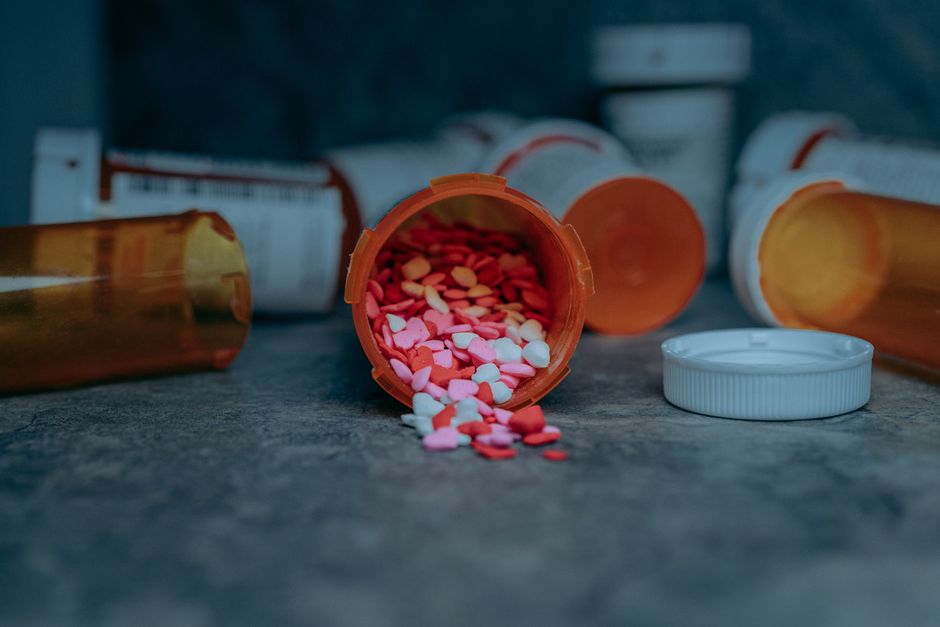
Generic drug safety is one of the most common questions pharmacists are asked, usually when a prescription comes back looking different from last month. Generics must meet the same FDA standards as the brand, but there are real differences worth understanding, and some of them explain why your recall or label information can differ between manufacturers.
- What Generic Drug Safety Requires of a Manufacturer
- What Can Legitimately Differ
- Why Recalls Are Manufacturer-Specific
- Narrow Therapeutic Index Medicines
- What to Do If a Refill Looks Different
- Frequently Asked Questions
- Why Generic drug safety Matters When You Look Up a Medicine
- Official Sources
- Related Guides
Before you read on. Do not stop taking a prescribed medicine, or change how you take it, because of anything you read here. Talk to the prescriber or pharmacist who knows your medical history first.
What Generic Drug Safety Requires of a Manufacturer
A generic must contain the same active ingredient, in the same strength and dosage form, taken by the same route, and must be shown to deliver the active ingredient into the bloodstream in a comparable way to the brand product.
That last requirement is called bioequivalence, and it is demonstrated in studies submitted to the FDA before approval. The generic manufacturer does not repeat the original clinical trials, because the medicine itself has already been studied.
Generic drug safety therefore rests on the same evidence base as the brand, plus evidence that this manufacturer’s version behaves the same way in the body.
What Can Legitimately Differ
Inactive ingredients can differ: fillers, binders, dyes and coatings. For most people this is irrelevant, but someone with a specific sensitivity or allergy can react to an inactive ingredient in one version and not another.
Generic drug safety says nothing about appearance, which differs by design. Tablet shape, colour and markings are usually protected for the brand, which is why a refill can look completely different and still be the same medicine.
Labels can differ in detail. Each manufacturer maintains its own FDA label, and they are not updated in lockstep, so warning wording can vary slightly between versions of the same drug.
Why Recalls Are Manufacturer-Specific
This is the part that confuses people most. A recall of a generic is a recall of one company’s production, not of the drug. Ten companies may make the same medicine; a contamination problem at one affects that company’s lots alone.
It is also why recall counts on a drug profile can look high. The 521 recall records across the medicines profiled here are spread across many manufacturers, and a widely genericised medicine accumulates more records simply by having more makers.
Narrow Therapeutic Index Medicines
A small group of medicines have a narrow margin between a dose that works and a dose that causes problems. For these, small differences in absorption matter more, and some prescribers and patients prefer to stay with one manufacturer.
If yours is one of these, your prescriber or pharmacist will usually raise it without being asked. If a switch happens and you notice a change in how you feel, that is worth mentioning rather than assuming it is imagination.
📨 Get Free Mass Tort Guides Alerts
Free · No spam · Unsubscribe anytime
What to Do If a Refill Looks Different
Ask the pharmacy to confirm it is the same medicine and note which manufacturer supplied it. That single piece of information makes any later question far easier to answer, including whether a recall applies to you.
Do not stop taking a prescribed medicine, or change how you take it, because of anything you read here. Talk to the prescriber or pharmacist who knows your medical history first. A different appearance is usually nothing more than a different supplier.
Frequently Asked Questions
Is generic drug safety equal to brand-name safety?
The FDA requires the same active ingredient, strength and route, and evidence of comparable absorption. Generic drug safety is regulated on that basis, and generics make up the large majority of prescriptions dispensed in the United States.
Why does my generic look different each time?
Pharmacies buy from whichever approved manufacturer is available, and appearance varies between them. The active ingredient does not.
Can I ask for the brand instead?
You can discuss it with your prescriber and pharmacist. Cost and insurance coverage usually differ substantially, and for most medicines there is no clinical reason to prefer one.
Does a generic have the same warnings?
Broadly yes, though each manufacturer maintains its own label and they are not always updated simultaneously. Check the label for your specific product on DailyMed.
Why Generic drug safety Matters When You Look Up a Medicine
Most people arrive at a question about a medicine through a search, and what they find
first is rarely the official record. Understanding generic drug safety is what lets you tell the
difference between a page reporting what the FDA actually says and a page built to
alarm.
The profile pages on this site are assembled directly from federal data: FDA
prescribing labels, the enforcement database that records recalls, and the adverse event
reporting system. Across the 25 medicines covered, that amounts to
12 carrying a boxed warning, 521 recall records, and
roughly 5,559,399 adverse event reports between them.
Those numbers are large, and largeness is exactly what gets misread. A high report
count reflects how many people take a medicine and how much attention it has had, not how
dangerous it is. A long recall list usually reflects many manufacturers rather than a
troubled drug. Reading generic drug safety correctly is what turns those figures from frightening
into useful.
Do not stop taking a prescribed medicine, or change how you take it, because of anything you read here. Talk to the prescriber or pharmacist who knows your medical history first. What a page like this can do is help you arrive at that conversation
knowing what the official record says, and what it does not.
Official Sources
- DailyMed — the current FDA label for every marketed product
- FDA adverse event dashboard — public report data by drug
- FDA recalls and safety alerts — current recall notices
- FDA MedWatch — how to report a side effect
Related Guides
- Drug Safety Profiles for 25 Medicines
- All Drug Safety Explainers
- What a Boxed Warning Actually Means
- What FDA Adverse Event Reports Really Mean
- Drug Recalls: Classes and What They Mean
- Drug Interactions and How to Check for Them
- Side Effect vs Adverse Reaction
- How to Read an FDA Drug Label
- My Medication Was Recalled: What Now
You May Also Like
Medical and legal disclaimer. This page is general information drawn from public FDA sources. It is not medical advice, not legal advice, and not a substitute for the judgement of a clinician who knows your medical history. Nothing here states that any medicine caused illness or injury in any individual. Do not stop taking a prescribed medicine, or change how you take it, because of anything you read here. Talk to the prescriber or pharmacist who knows your medical history first.