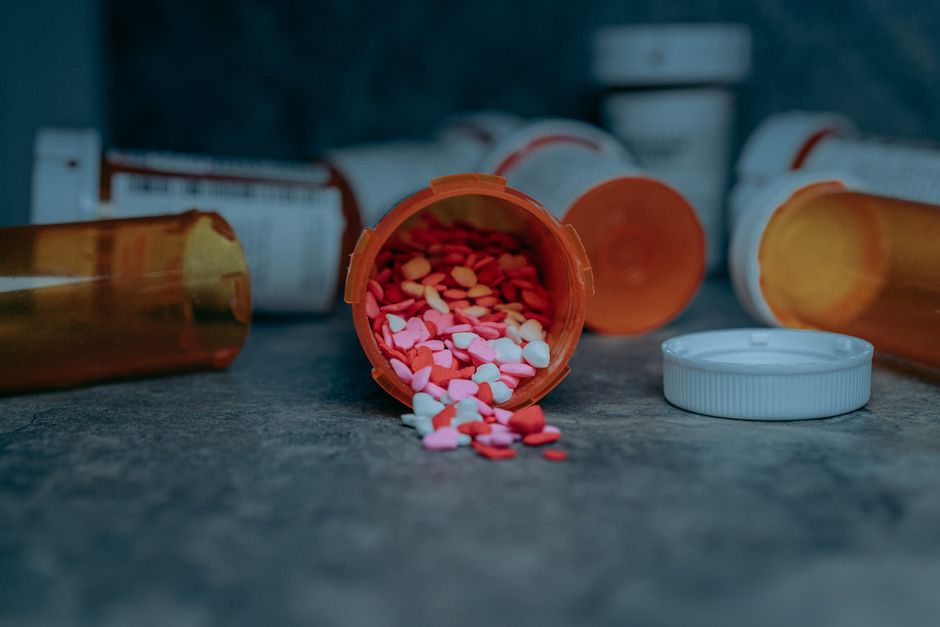
A drug recall means a manufacturer or the FDA has decided that specific batches of a medicine should be removed from the market. Across the 25 medicines profiled here there are 521 recall records, 18 of them in the most serious class. Finding your medicine on a recall list is unsettling, and the first thing to know is that most recalls concern particular batches rather than the medicine itself.
Before you read on. Do not stop taking a prescribed medicine, or change how you take it, because of anything you read here. Talk to the prescriber or pharmacist who knows your medical history first.
What a Drug Recall Actually Covers
A drug recall almost always concerns manufacturing, packaging or storage: a contaminant found in one production run, tablets outside the labelled strength, a sterility failure, packaging that could confuse two products, storage outside the required temperature range.
That is why a recall usually names lot numbers and expiry dates rather than the medicine as a whole, and why a different manufacturer’s version of the same generic drug is generally unaffected.
A smaller number of drug recall notices do concern the medicine itself, usually following new safety findings. Those are rarer and are normally accompanied by an FDA safety communication explaining the decision.
The Three Recall Classes
| Class | What it means |
|---|---|
| Class I | A reasonable probability of serious harm or death from using the product. The most serious category. |
| Class II | Use may cause temporary or medically reversible harm, or the probability of serious harm is remote. |
| Class III | Use is unlikely to cause harm, but the product breaks an FDA regulation. |
The class describes the potential consequence, not the number of people affected or how likely the problem is to appear in any given package. A Class III drug recall is often a labelling technicality.
What to Do After a Drug Recall
If my medication was recalled is where you are, start by checking whether your specific package is affected. Recall notices list lot numbers, and that information is on the bottle or carton the pharmacy gave you. The pharmacy can also check its dispensing records directly.
Do not stop taking a prescribed medicine, or change how you take it, because of anything you read here. Talk to the prescriber or pharmacist who knows your medical history first. A recall does not automatically call for stopping, and for many medicines the risk from an interrupted supply is greater than the risk the recall describes. Your pharmacist can usually replace a recalled batch the same day.
If you have already taken medicine from a recalled batch and feel unwell, contact your prescriber, and consider reporting it to the FDA so it becomes part of the record.
How to Check for Current Recalls
The FDA recalls and safety alerts page lists current notices for all products. The agency also publishes an enforcement report database covering completed and ongoing recalls in more detail.
Notably, 3 of the 25 medicines profiled on this site have no recall records at all in the current data, which is a useful reminder that an absence of recalls is common and unremarkable.
📨 Get Free Mass Tort Guides Alerts
Free · No spam · Unsubscribe anytime
Recalls and Lawsuits Are Different Things
A drug recall is a safety action taken by a company or a regulator. Litigation is a legal claim brought by people who say they were harmed. One does not establish the other, and they often have no connection at all.
Most recalls never lead to any litigation. Our case pages track litigation where it exists, separately from the recall record.
Frequently Asked Questions
How do I know if a drug recall affects me?
Check the lot number on your packaging against the recall notice, or ask the pharmacy that dispensed it. Pharmacies are notified directly and can check their records against what they gave you.
Do I need to stop taking a recalled medicine?
Not automatically. Do not stop taking a prescribed medicine, or change how you take it, because of anything you read here. Talk to the prescriber or pharmacist who knows your medical history first. Recalls frequently affect only some batches, and for many conditions an interruption carries its own risk.
Will I be refunded?
Pharmacies generally replace recalled medicine at no cost. Ask at the counter rather than disposing of it yourself, since they may need the lot information.
Does a recall mean I have a legal claim?
No. A recall is a safety action, not a finding that anyone was harmed. Whether any individual has a claim depends on facts specific to them and on the law where they live.
Why Drug recall Matters When You Look Up a Medicine
Most people arrive at a question about a medicine through a search, and what they find
first is rarely the official record. Understanding drug recall is what lets you tell the
difference between a page reporting what the FDA actually says and a page built to
alarm.
The profile pages on this site are assembled directly from federal data: FDA
prescribing labels, the enforcement database that records recalls, and the adverse event
reporting system. Across the 25 medicines covered, that amounts to
12 carrying a boxed warning, 521 recall records, and
roughly 5,559,399 adverse event reports between them.
Those numbers are large, and largeness is exactly what gets misread. A high report
count reflects how many people take a medicine and how much attention it has had, not how
dangerous it is. A long recall list usually reflects many manufacturers rather than a
troubled drug. Reading drug recall correctly is what turns those figures from frightening
into useful.
Do not stop taking a prescribed medicine, or change how you take it, because of anything you read here. Talk to the prescriber or pharmacist who knows your medical history first. What a page like this can do is help you arrive at that conversation
knowing what the official record says, and what it does not.
Official Sources
- DailyMed — the current FDA label for every marketed product
- FDA adverse event dashboard — public report data by drug
- FDA recalls and safety alerts — current recall notices
- FDA MedWatch — how to report a side effect
Related Guides
- Drug Safety Profiles for 25 Medicines
- All Drug Safety Explainers
- What a Boxed Warning Actually Means
- What FDA Adverse Event Reports Really Mean
- Generic Drug Safety: Same and Different
- Drug Interactions and How to Check for Them
- Side Effect vs Adverse Reaction
- How to Read an FDA Drug Label
- My Medication Was Recalled: What Now
You May Also Like
Medical and legal disclaimer. This page is general information drawn from public FDA sources. It is not medical advice, not legal advice, and not a substitute for the judgement of a clinician who knows your medical history. Nothing here states that any medicine caused illness or injury in any individual. Do not stop taking a prescribed medicine, or change how you take it, because of anything you read here. Talk to the prescriber or pharmacist who knows your medical history first.