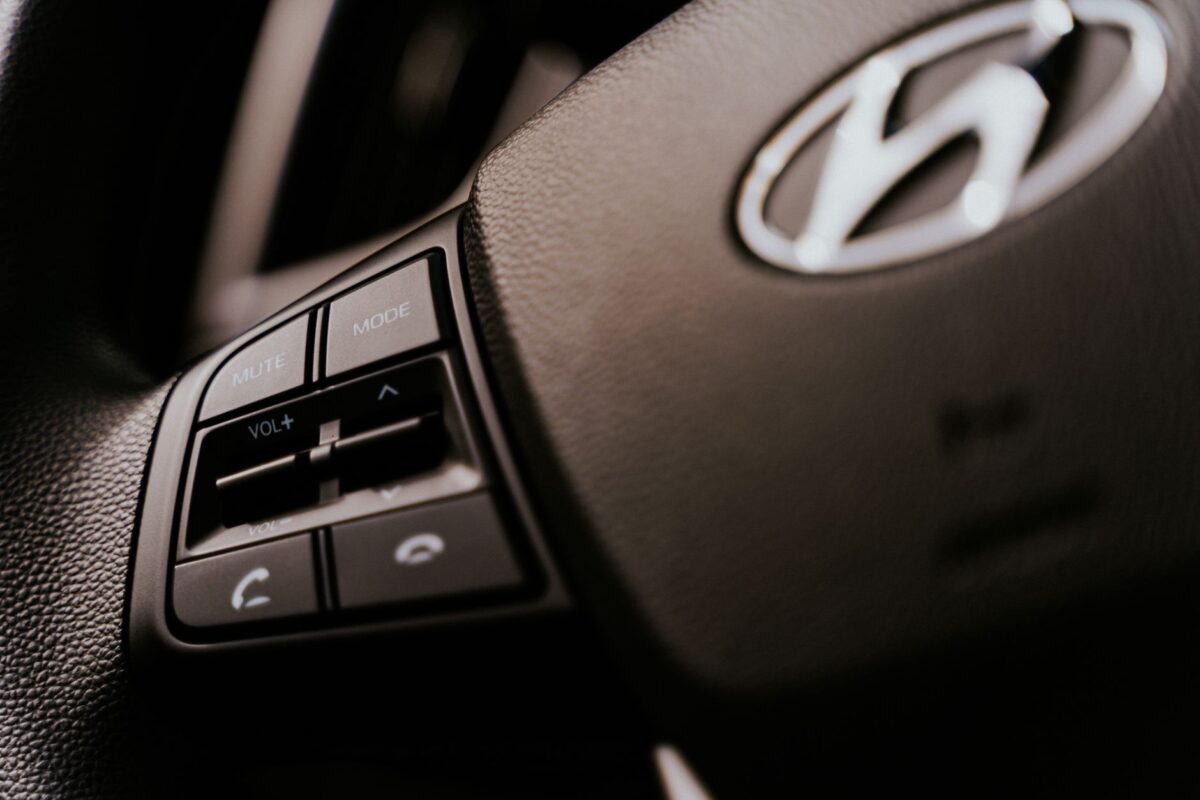
The kia hyundai theft lawsuit centers on millions of vehicles that were sold without a basic anti-theft device. Many 2011–2022 Kia and Hyundai models shipped without an engine immobilizer. As a result, thieves learned to start these cars with a simple USB cable. A viral social media trend then fueled a nationwide theft wave. Owners faced stolen cars, damaged property, higher insurance costs, and in some cases dropped coverage. This litigation seeks to hold the automakers accountable for those losses.
Case Timeline
Last checked: October 18, 2026
What Is the Kia Hyundai Theft Lawsuit About?
An engine immobilizer stops a car from starting without the correct key. Nearly every automaker made this feature standard years ago. However, certain Kia and Hyundai vehicles were built without it. This gap made the cars unusually easy to steal.
In 2022, videos spread showing how to bypass the ignition with a USB cord. The trend became known as the “Kia Challenge.” Theft rates then spiked by over 1,000% in some cities. The National Highway Traffic Safety Administration has linked the trend to multiple deaths and crashes. For example, thieves often crashed the stolen vehicles at high speed.
The kia hyundai theft lawsuit claims the manufacturers knew about this vulnerability. Plaintiffs argue Hyundai Motor America and Kia America sold defective vehicles. The core harm here is economic loss, not a traditional injury. Owners lost value, paid for repairs, and lost time. Some also faced insurers who refused to cover the affected models.
MDL Case Status and Key Facts
| MDL Detail | Current Data |
|---|---|
| MDL Number | MDL-3052 |
| Pending Cases | 100 |
| Presiding Judge | James V. Selna |
| Federal District | CAC |
| Data Source | U.S. Judicial Panel on Multidistrict Litigation |
| Last Updated | October 05, 2026 |
The federal cases were consolidated into one multidistrict litigation. This groups similar claims before a single judge for efficiency. The consumer class settlement received final approval on October 1, 2024. The Ninth Circuit affirmed that approval on January 8, 2026.
| Detail | Information |
|---|---|
| MDL Number | MDL-3052 |
| Case Name | In re: Kia Hyundai Vehicle Theft Marketing, Sales Practices, and Products Liability Litigation |
| Presiding Judge | Hon. James V. Selna |
| Federal District | Central District of California |
| Approximate Case Count | ~100 consolidated actions |
| Consumer Class Settlement | Valued at more than $200 million |
| Current Status (July 2026) | Distribution paused pending U.S. Supreme Court petition |
The settlement covers roughly 8.3 million vehicles. However, payments are on hold right now. In May 2026, an objector filed a petition with the U.S. Supreme Court. That filing paused distribution even after the appeals court affirmed the deal. You can review the official transfer order on the JPML website.
Separately, a multistate action added pressure in January 2026. Attorneys general from 34 states and Washington, D.C. reached a $4.5 million agreement. That deal targets thefts occurring after software fixes were installed. It runs from April 29, 2025 through March 31, 2027.
Who Qualifies for the Kia Hyundai Theft Lawsuit?
Eligibility depends on your vehicle and your losses. Typically, the affected cars are Kia models from 2011–2021 and Hyundai models from 2015–2021. These vehicles were built with a turn-key ignition and no immobilizer. Affected models include the Elantra, Sonata, Tucson, Optima, Forte, Soul, and Sportage, among others.
In most cases, class members are current or former owners and lessees. The kia hyundai theft lawsuit covers those who owned an eligible car during the relevant period. Qualifying losses vary widely. For example, they may include total theft, attempted theft, or damage from a break-in.
Helpful evidence includes your title, registration, and repair invoices. Police reports and insurance claims also matter. Photos of the damage can strengthen a claim. However, every situation is different. A licensed attorney can confirm whether your specific facts fit the kia hyundai theft lawsuit criteria.
How to File a Kia Hyundai Theft Lawsuit Claim
Start by gathering your documents. Locate your vehicle identification number, or VIN. Then collect any theft reports, repair bills, and insurance records. These items establish your ownership and your losses.
Next, consider speaking with a licensed attorney. Many handle these cases on a contingency basis. As a result, you typically pay nothing unless there is a recovery. A lawyer can explain the class settlement and any opt-out rights. For example, opting out lets some owners pursue individual claims instead.
📨 Get Free Mass Tort Guides Alerts
Free · No spam · Unsubscribe anytime
Pay close attention to deadlines. Each state sets its own statute of limitations for these claims. Missing that window can end your case permanently. A plaintiff fact sheet may also be required in the litigation. Filing correctly and on time is critical, so professional guidance helps. You can track official filings through the federal court docket on CourtListener.
Settlement Updates and What to Expect
The consumer class settlement is valued at more than $200 million. It combines cash reimbursement with anti-theft software upgrades. It also funds steering wheel locks for eligible owners. However, individual payouts vary based on the type and amount of loss.
Several factors affect a payout. These include out-of-pocket theft losses, insurance deductibles, and vehicle damage. For example, a total loss claim differs from a broken-window repair. The settlement does not promise any set amount to any one person. Instead, recovery depends on documented losses and program rules.
Timing remains uncertain in July 2026. The Ninth Circuit affirmed the deal, but a Supreme Court petition paused distribution. As a result, approved claimants are waiting for the appeal to resolve. In most cases, courts eventually release funds after such petitions conclude. An attorney can tell you where the kia hyundai theft lawsuit stands for your claim.
State-by-State Considerations in the Kia Hyundai Theft Lawsuit
State law shapes how these claims proceed. Consumer protection statutes and tort reform rules differ across states. As a result, the same facts can lead to different outcomes. Damages caps and limitation periods vary widely.
Several states saw heavy theft activity and strong plaintiff interest. For example, Illinois, Wisconsin, Ohio, California, and Missouri reported major theft spikes. The kia hyundai theft lawsuit is centralized in California under Judge Selna. However, your home state’s rules still affect eligibility and timing. Review your state guide and consult a local attorney for details.
Frequently Asked Questions
Which vehicles are covered by the kia hyundai theft lawsuit?
The claims involve many 2011–2021 Kia and 2015–2021 Hyundai models built without an engine immobilizer. Common examples include the Elantra, Sonata, Optima, and Sportage. An attorney can confirm whether your specific VIN qualifies.
How much money could I receive?
There is no guaranteed amount, and payouts vary by claim. Recovery depends on your documented losses, such as theft costs and repairs. You may qualify for reimbursement, but every case is different.
Can I still join if payments are paused?
Distribution is paused because of a pending Supreme Court petition as of July 2026. However, deadlines and rights still apply, so acting early matters. A licensed attorney can explain your current options and protect your claim.
Check If You May Qualify
Mass tort eligibility depends on your specific exposure, injuries, and the state where you live. A licensed mass tort attorney can evaluate your situation at no upfront cost — most work on contingency, meaning you pay nothing unless you recover compensation.
Official Sources & Resources
For verified mass tort and MDL information:
- U.S. Judicial Panel on Multidistrict Litigation (JPML)
- U.S. Department of Justice
- FDA Safety Alerts & Recalls
- Centers for Disease Control and Prevention
- U.S. Environmental Protection Agency
Content last reviewed July 2026. This is general educational information, not legal advice. If you notice outdated information, please contact us.
Related Guides
- All Active MDL Cases
- More in This Category
- Tort Reform by State — 50-State Comparison
- All 50 State Tort Reform Guides
- Mass Tort Explainers
- Demographic Guides
- Mass Tort Tips
- Texas Tort Reform Guide
- North Carolina Tort Reform Guide
- Georgia Tort Reform Guide
Attorney Advertising. The information on this page is provided for general informational purposes only and does not constitute legal advice. No attorney-client relationship is created by accessing or using this content. Every case is unique, and results depend on the specific facts and circumstances involved. Past settlement amounts and case outcomes do not guarantee similar results in your case. If you believe you have a legal claim, you should consult with a licensed attorney in your jurisdiction who can evaluate your specific situation.