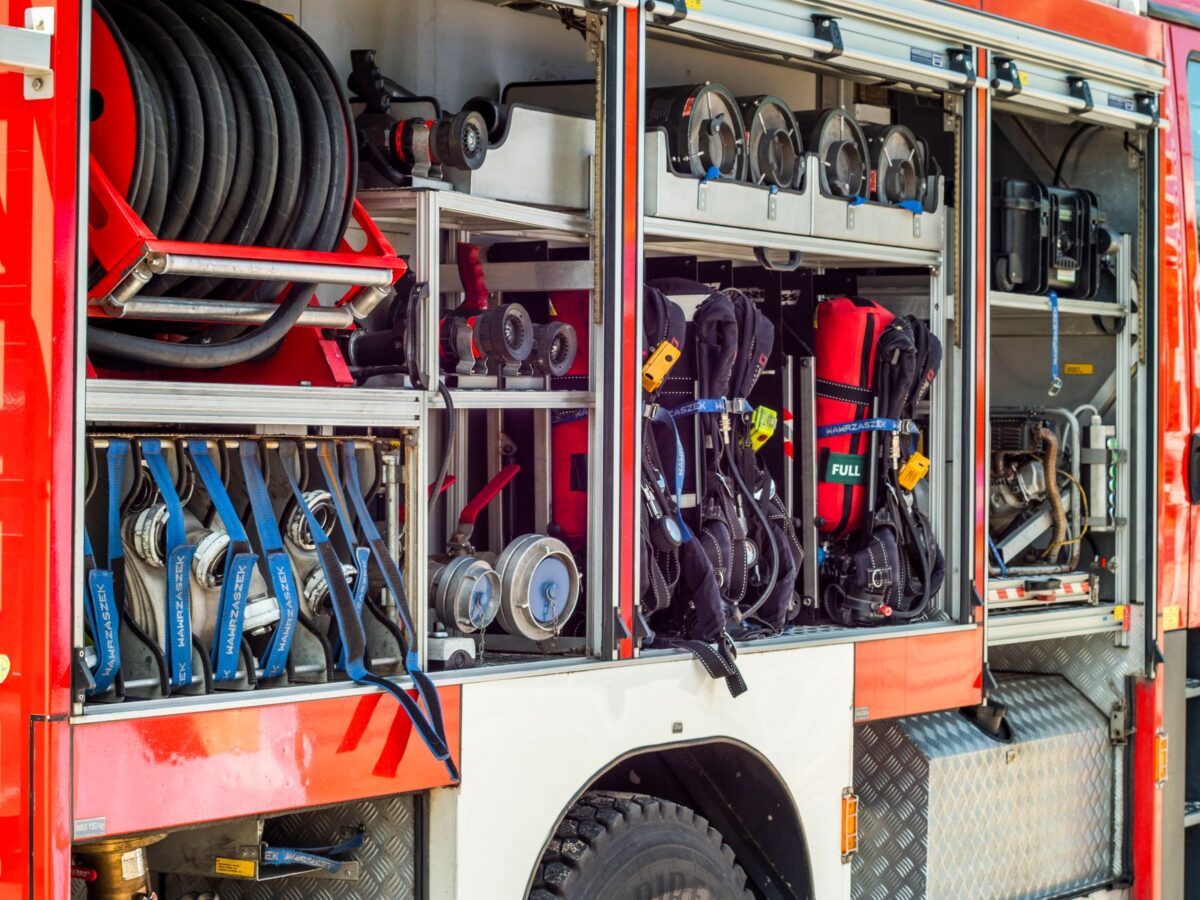
The fire apparatus antitrust lawsuit accuses the nation’s largest fire truck manufacturers of conspiring to fix prices and choke supply. Municipalities, fire districts, and taxpayers allege they were overcharged for years. Federal cases are now consolidated as MDL-3179 in Wisconsin. This guide explains the claims in plain language. It also explains who may qualify and how a fire apparatus antitrust lawsuit moves through the courts.
Case Timeline
Last checked: October 18, 2026
What Is the Fire Apparatus Antitrust Lawsuit About?
| MDL Detail | Current Data |
|---|---|
| MDL Number | MDL-3179 |
| Pending Cases | 62 |
| Presiding Judge | William C. Griesbach |
| Federal District | WIE |
| Data Source | U.S. Judicial Panel on Multidistrict Litigation |
| Last Updated | October 05, 2026 |
The fire apparatus antitrust lawsuit centers on the market for fire trucks and chassis. Plaintiffs name REV Group, Oshkosh Corporation’s Pierce Manufacturing unit, and Rosenbauer America. Together these firms control roughly 70 to 80 percent of the U.S. fire truck market. Private equity investor American Industrial Partners is also named in several complaints.
The complaints allege a coordinated scheme. Defendants allegedly restrained production to create backlogs. They also allegedly exchanged sensitive pricing data through the Fire Apparatus Manufacturers’ Association. As a result, plaintiffs say prices roughly doubled over a decade. Wait times reportedly stretched from about 18 months to more than four years.
This is not a personal injury case. The alleged “harm” is economic, not physical. Plaintiffs claim violations of Sections 1 and 2 of the Sherman Antitrust Act and Sections 3 and 7 of the Clayton Act. In short, the fire apparatus antitrust lawsuit alleges illegal monopoly conduct that inflated public spending.
MDL Case Status and Key Facts
The Judicial Panel on Multidistrict Litigation centralized these cases in 2026. For example, dozens of city and county suits were folded into one proceeding. The goal is coordinated pretrial discovery and consistent rulings. The table below summarizes the core facts.
| Detail | Information |
|---|---|
| MDL Number | MDL-3179 |
| Case Name | In re: Fire Apparatus Antitrust Litigation |
| Presiding Judge | Hon. William C. Griesbach |
| Federal District | Eastern District of Wisconsin |
| Approximate Case Count | About 20 consolidated actions |
| Primary Defendants | REV Group, Oshkosh/Pierce, Rosenbauer America |
| Bellwether Trials | None scheduled as of June 2026 |
The litigation remains in early stages. Class counsel have been appointed for plaintiff groups. However, no settlement framework exists yet. Discovery and class certification briefing typically come first. You can track docket activity through the JPML panel orders page.
State attorneys general have also taken interest. For example, Texas opened an investigation into the manufacturers. Federal antitrust enforcement guidance is available from the U.S. Department of Justice Antitrust Division. These parallel efforts may shape the private litigation.
Who Qualifies for the Fire Apparatus Antitrust Lawsuit?
Eligibility centers on who bought fire trucks. Proposed classes generally cover purchases from 2016 onward. This includes cities, counties, fire departments, and fire protection districts. In most cases, the buyer paid an allegedly inflated price.
The cases separate direct purchasers from indirect purchasers. Direct purchasers bought trucks straight from a defendant manufacturer. Indirect purchasers bought through a dealer or other middle layer. Both groups may have claims. However, the legal rules for each group differ significantly.
Useful evidence typically includes purchase contracts and invoices. Delivery dates and pricing records also help. For example, documents showing long backlogs may support the supply-restraint theory. If your department bought a covered truck, you may qualify to participate. A licensed attorney can confirm whether your purchase fits a proposed class.
How to File a Fire Apparatus Antitrust Lawsuit Claim
Filing starts with a consultation. First, contact a lawyer experienced in antitrust class actions. Most offer free case reviews. They will ask about your purchases and timeline. Then they will check whether you fit an existing class.
You generally do not file alone in a class action. Instead, named plaintiffs and class counsel litigate for the group. However, large buyers sometimes file separate “opt-out” suits. For example, Los Angeles County and several cities filed their own actions. Your attorney can explain which path fits your situation.
📨 Get Free Mass Tort Guides Alerts
Free · No spam · Unsubscribe anytime
Watch the statute of limitations closely. Federal antitrust claims typically allow four years from the harm. State deadlines vary. As a result, waiting can risk your rights. Gathering invoices and procurement files early makes the process smoother for everyone involved.
Settlement Updates and What to Expect
There is no fire apparatus antitrust lawsuit settlement yet. The cases are too new for that. As a result, any payout estimate would be speculation. Recoveries in antitrust cases vary widely and are never guaranteed.
Antitrust cases often resolve after class certification. Some reach trial; many settle. In most cases, recovery depends on documented overcharges. Federal law allows treble (tripled) damages for proven violations. However, defendants strongly deny the allegations.
Typical timelines run for several years. For example, discovery, expert work, and appeals all add time. Factors affecting any payout include purchase volume and the class structure. You may be eligible for a share if a class is certified and a recovery follows. No one can promise a specific amount.
State-by-State Considerations
State law matters in this fire apparatus antitrust lawsuit. Indirect purchasers often rely on state antitrust statutes. For example, California, Wisconsin, and New York have strong indirect-purchaser laws. Other states limit those claims. As a result, your state can affect both eligibility and damages.
Notable plaintiffs span the country. Milwaukee, Los Angeles County, Baltimore, and Ann Arbor have all sued. Smaller districts, like Durango in Colorado, joined too. Because rules differ, consult an attorney licensed in your state to understand your specific options.
Frequently Asked Questions
Is the fire apparatus antitrust lawsuit a personal injury case?
No. It is an economic antitrust case, not an injury case. Plaintiffs allege they were overcharged for fire trucks. The claimed harm is financial, not physical.
Who can join the fire apparatus antitrust lawsuit?
Buyers of fire trucks since 2016 may qualify. This includes cities, counties, fire departments, and districts. A licensed attorney can confirm whether your purchase fits a proposed class.
How much money could a claim be worth?
That varies and cannot be predicted. No settlement exists yet, and recovery is never guaranteed. Antitrust law may allow tripled damages, but only if violations are proven in court.
Check If You May Qualify
Mass tort eligibility depends on your specific exposure, injuries, and the state where you live. A licensed mass tort attorney can evaluate your situation at no upfront cost — most work on contingency, meaning you pay nothing unless you recover compensation.
Official Sources & Resources
For verified mass tort and MDL information:
- U.S. Judicial Panel on Multidistrict Litigation (JPML)
- U.S. Department of Justice
- FDA Safety Alerts & Recalls
- Centers for Disease Control and Prevention
- U.S. Environmental Protection Agency
Content last reviewed June 2026. This is general educational information, not legal advice. If you notice outdated information, please contact us.
Related Guides
- All Active MDL Cases
- More in This Category
- Tort Reform by State — 50-State Comparison
- All 50 State Tort Reform Guides
- Mass Tort Explainers
- Demographic Guides
- Mass Tort Tips
- Florida Tort Reform Guide
- New Jersey Tort Reform Guide
- Illinois Tort Reform Guide
Attorney Advertising. The information on this page is provided for general informational purposes only and does not constitute legal advice. No attorney-client relationship is created by accessing or using this content. Every case is unique, and results depend on the specific facts and circumstances involved. Past settlement amounts and case outcomes do not guarantee similar results in your case. If you believe you have a legal claim, you should consult with a licensed attorney in your jurisdiction who can evaluate your specific situation.