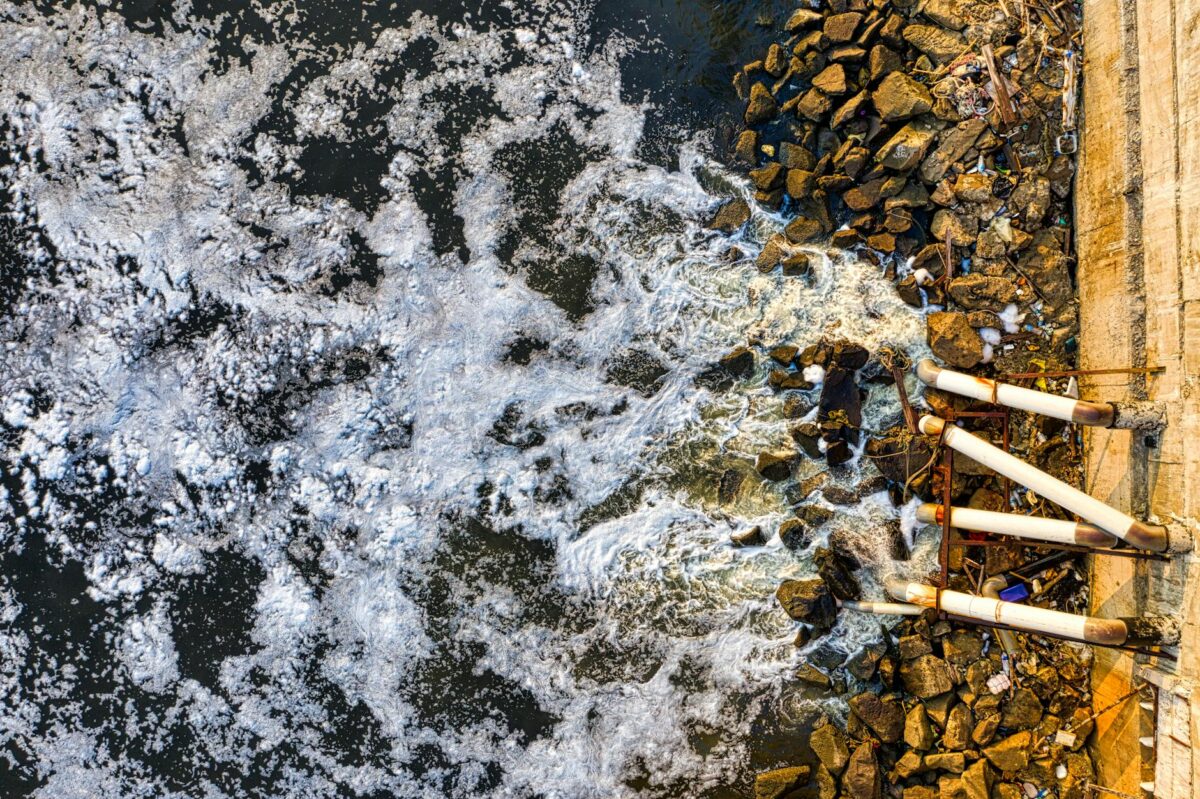
Camp Lejeune vs AFFF water contamination represents one of the most important distinctions in environmental litigation today. Both cases involve toxic chemicals in drinking water. Both have harmed thousands of military families and civilians. However, these are two very different lawsuits with separate legal paths. Understanding the difference matters if you or a loved one were exposed. This guide breaks down both cases side by side. It will help you determine which lawsuit you may qualify for based on your specific exposure history.
What Is the Camp Lejeune Water Contamination Lawsuit?
The Camp Lejeune lawsuit involves contaminated drinking water at Marine Corps Base Camp Lejeune in North Carolina. From 1953 to 1987, toxic chemicals seeped into the base water supply. These included trichloroethylene (TCE), perchloroethylene (PCE), benzene, and vinyl chloride. Contamination levels reached 240 to 3,400 times current safe drinking water standards. Marines, sailors, civilian workers, and their families all drank this water for over three decades.
Congress passed the Camp Lejeune Justice Act in August 2022 as part of the PACT Act. This law gave victims the right to sue the federal government for the first time. Over 409,000 administrative claims have been filed with the Navy Judge Advocate General. Cases that clear the six-month administrative review move to the U.S. District Court for the Eastern District of North Carolina. Four federal judges share the caseload, with Judge James C. Dever III presiding over bellwether trials. You can learn more on our Camp Lejeune lawsuit page.
The government established a tiered settlement program called the Elective Option. Tier 1 covers severe conditions like kidney cancer, bladder cancer, and leukemia. Tier 2 covers Parkinson’s disease, multiple myeloma, and kidney disease. Payouts range from $100,000 to $550,000 depending on disease tier and exposure duration. As of early 2026, roughly $708 million has been paid out. However, less than 1% of all claims have been resolved. Understanding how mass tort settlements work can help you evaluate any offer.
What Is the AFFF Water Contamination Lawsuit?
The AFFF lawsuit targets manufacturers of aqueous film-forming foam used to fight fuel-based fires. This firefighting foam contains PFAS chemicals often called “forever chemicals.” PFAS do not break down in the body or the environment. They have contaminated groundwater near military bases, airports, and fire training facilities across the country. The affected population is far broader than any single location. Learn more on our AFFF lawsuit page.
This litigation is consolidated as MDL No. 2873 in the U.S. District Court for the District of South Carolina. Judge Richard M. Gergel oversees 15,222 active personal injury cases as of April 2026. More than 50 companies are named as defendants. The major ones include 3M, DuPont, Chemours, Tyco Fire Products, and Kidde-Fenwal. Unlike Camp Lejeune, this lawsuit targets private manufacturers rather than the federal government.
The water utility settlement track has already produced massive results. 3M agreed to pay $12.5 billion to resolve public water system claims. DuPont, Chemours, and Corteva settled for $1.185 billion. Kidde-Fenwal resolved its portion through a $730 million bankruptcy settlement. In contrast, the personal injury track has not yet gone to trial.
The first bellwether trial was scheduled for October 2025 but was pulled from the calendar. A new trial schedule is expected later in 2026. You can browse all active MDL cases to see where AFFF fits in the larger picture.
Camp Lejeune vs AFFF Water Contamination — Key Differences
| Factor | Camp Lejeune | AFFF / PFAS |
|---|---|---|
| Defendant | U.S. federal government | Private manufacturers (3M, DuPont, Tyco, 50+ companies) |
| Contaminants | TCE, PCE, benzene, vinyl chloride | PFAS / PFOS / PFOA (“forever chemicals”) |
| Exposure Location | Camp Lejeune base, North Carolina only | Military bases, airports, fire training sites nationwide |
| Exposure Period | 1953 to 1987 (closed) | Ongoing — PFAS persist in water supplies indefinitely |
| Active Cases | ~3,724 federal lawsuits; 409,000+ admin claims | 15,222 personal injury cases in MDL 2873 |
| Legal Framework | Camp Lejeune Justice Act (federal statute) | Multidistrict litigation (product liability / tort law) |
| Filing Deadline | Admin deadline passed August 2024 | CMO 35 deadline was September 2025; state SOLs vary |
| Settlement Status | $708M paid via Elective Option ($100K–$550K per claim) | $14B+ for water utilities; personal injury settlement pending |
The most critical difference in Camp Lejeune vs AFFF water contamination is the defendant. Camp Lejeune claimants sue the U.S. government under a specific federal law. AFFF claimants sue private corporations under traditional mass tort principles. This changes everything about how claims are filed, reviewed, and resolved. Government claims require an administrative process before reaching court. On the other hand, AFFF cases follow standard civil litigation procedures within the MDL system.
Similarly, the scope of exposure differs dramatically when comparing Camp Lejeune vs AFFF water contamination. Camp Lejeune is limited to one military base during a defined 34-year window. While the AFFF litigation covers hundreds of contaminated sites across the entire United States. The AFFF exposure is also ongoing. 3M announced it would stop manufacturing PFAS by the end of 2025. However, these chemicals persist in water supplies indefinitely. Reviewing statute of limitations rules is essential for either case.
Qualifying Conditions Compared
Camp Lejeune vs AFFF water contamination cases involve different toxic chemicals. This means different health conditions qualify under each lawsuit. Camp Lejeune Tier 1 conditions include kidney cancer, liver cancer, bladder cancer, non-Hodgkin lymphoma, and leukemia. Tier 2 conditions include Parkinson’s disease, multiple myeloma, kidney disease, and scleroderma. Birth defects in children of exposed parents may also qualify.
The AFFF MDL recognizes six qualifying conditions linked to PFAS exposure. These are kidney cancer, testicular cancer, thyroid cancer, liver cancer, ulcerative colitis, and thyroid disease. While some conditions overlap between Camp Lejeune vs AFFF water contamination — kidney cancer appears in both — others are unique to each case. The EPA set enforceable maximum contaminant levels for PFAS in drinking water in April 2024. This strengthened the scientific basis for AFFF personal injury claims.
📨 Get Free Mass Tort Guides Alerts
Free · No spam · Unsubscribe anytime
Which One Applies to Your Situation
Choosing between Camp Lejeune vs AFFF water contamination depends entirely on where and how you were exposed. If you lived, worked, or served at Marine Corps Base Camp Lejeune between 1953 and 1987, the Camp Lejeune Justice Act applies to you. This includes military members, civilian employees, and family members who resided on base. However, the administrative filing deadline passed in August 2024. Claimants who were denied still have 180 days from their denial to file a federal lawsuit. Consult a licensed attorney to determine your options.
Unlike Camp Lejeune, the AFFF lawsuit applies to a much wider group. Firefighters who used AFFF foam in training or emergencies may qualify. Military personnel stationed at Air Force bases and Naval Air Stations where AFFF was used may also have claims. Communities near airports and military installations with PFAS-contaminated water could be affected too. Court Management Order 35 set a September 2025 filing deadline. Claims filed after that date may face exclusion from any future settlement. Our eligibility quiz can help you assess your situation quickly.
Some people may have claims under both lawsuits. A Marine stationed at Camp Lejeune who also trained with AFFF foam could face overlapping exposure. In that scenario, Camp Lejeune vs AFFF water contamination is not an either-or question. You may have grounds to pursue both. Early attorney estimates project individual AFFF settlements in the $300,000 to $500,000 range for well-documented serious cases.
A qualified mass tort attorney can evaluate your full exposure history and determine whether one or both lawsuits apply. Understanding the difference between a mass tort and a class action is also helpful as you research your options.
Frequently Asked Questions
Can I file a claim in both the Camp Lejeune and AFFF lawsuits?
Yes, it is possible in some cases. Camp Lejeune vs AFFF water contamination claims are legally separate proceedings. If you were exposed to contaminated water at Camp Lejeune and also had PFAS exposure from AFFF foam at another location, you may qualify for both. Each lawsuit has its own requirements, deadlines, and defendants. A licensed attorney can review your exposure history and advise you on which claims to pursue.
What health conditions qualify for these lawsuits?
Camp Lejeune vs AFFF water contamination claims cover different conditions because different chemicals are involved. Camp Lejeune qualifying conditions include kidney cancer, liver cancer, bladder cancer, leukemia, non-Hodgkin lymphoma, and Parkinson’s disease. AFFF qualifying conditions include kidney cancer, testicular cancer, thyroid cancer, liver cancer, ulcerative colitis, and thyroid disease. Some conditions like kidney cancer appear in both. Check our comparison articles for more side-by-side breakdowns.
Is it too late to file a Camp Lejeune or AFFF claim?
The Camp Lejeune administrative filing deadline passed in August 2024. However, claimants who filed before the deadline and received a denial still have 180 days from that denial to file a federal lawsuit. For AFFF claims, the MDL set a September 2025 filing cutoff under Court Management Order 35. State statutes of limitations also apply, and many states use the discovery rule.
This means your deadline may start when you learned your illness was connected to PFAS. Do not assume you have missed your chance without consulting an attorney. Camp Lejeune vs AFFF water contamination deadlines work very differently from each other.
Check If You May Qualify
Mass tort eligibility depends on your specific exposure, injuries, and the state where you live. A licensed mass tort attorney can evaluate your situation at no upfront cost — most work on contingency, meaning you pay nothing unless you recover compensation.
Official Sources & Resources
For verified mass tort and MDL information:
- JPML: jpml.uscourts.gov — official MDL statistics and transfer orders
- DOJ: justice.gov — settlement announcements and press releases
- FDA: fda.gov — drug recalls, warning letters, and safety alerts
- CDC: cdc.gov — health condition data and exposure guidelines
- EPA: epa.gov — environmental contamination data
- Cornell LII: law.cornell.edu — plain-English legal definitions
Content last reviewed May 2026. This is general educational information, not legal advice. If you notice outdated information, please contact us.
Related Guides
- All Active MDL Cases
- More in This Category
- Tort Reform by State — 50-State Comparison
- All 50 State Tort Reform Guides
- Mass Tort Explainers
- Demographic Guides
- Mass Tort Tips
- New Jersey Tort Reform Guide
- Pennsylvania Tort Reform Guide
- Georgia Tort Reform Guide
Attorney Advertising. The information on this page is provided for general informational purposes only and does not constitute legal advice. No attorney-client relationship is created by accessing or using this content. Every case is unique, and results depend on the specific facts and circumstances involved. Past settlement amounts and case outcomes do not guarantee similar results in your case. If you believe you have a legal claim, you should consult with a licensed attorney in your jurisdiction who can evaluate your specific situation.