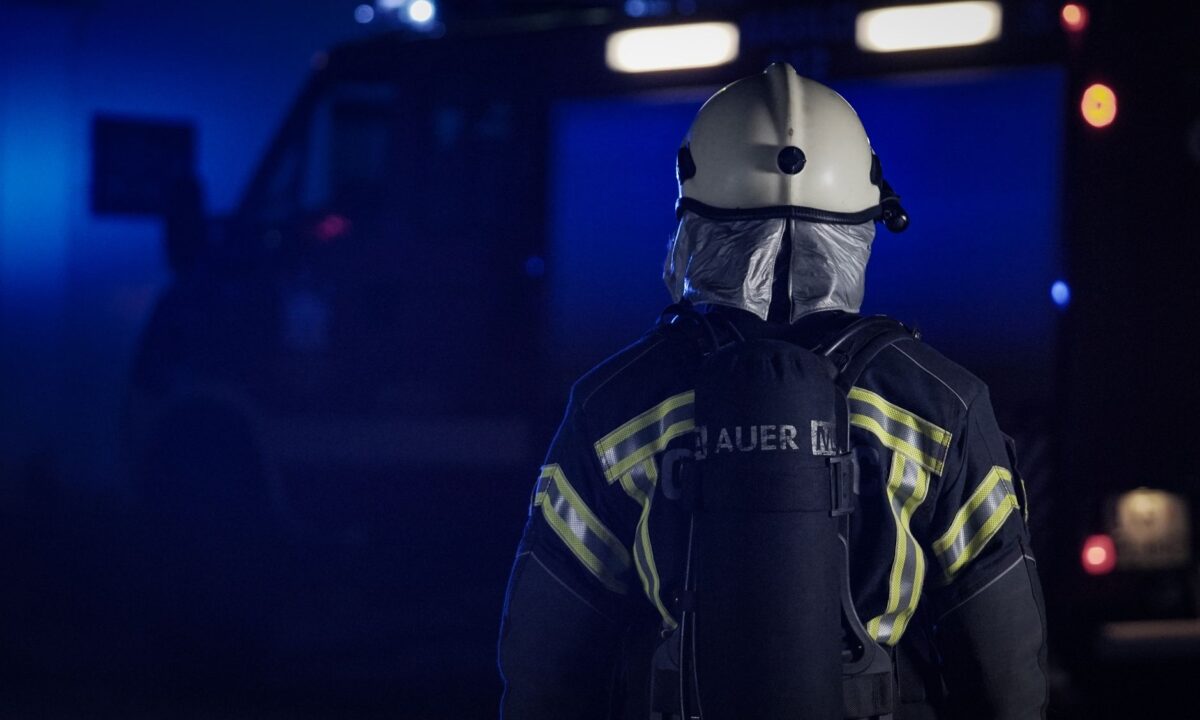
The non-afff firefighter turnout gear lawsuit is a federal case involving PFAS “forever chemicals” in the protective clothing firefighters wear on every call. In August 2026, the Judicial Panel on Multidistrict Litigation created MDL-3191 to handle these claims in one court. The litigation is separate from the long-running AFFF firefighting foam MDL. It focuses instead on the coats, pants, and moisture barriers that touch a firefighter’s skin during each shift.
- What Is the Non-Afff Firefighter Turnout Gear Lawsuit About?
- MDL Case Status and Key Facts
- Who Qualifies for the Non-Afff Firefighter Turnout Gear Lawsuit?
- How to File a Non-Afff Firefighter Turnout Gear Lawsuit Claim
- Settlement Updates and What to Expect
- State-by-State Considerations
- Frequently Asked Questions
Case Timeline
Last checked: October 18, 2026
What Is the Non-Afff Firefighter Turnout Gear Lawsuit About?
Turnout gear is built in three layers. The outer shell resists flame. The moisture barrier blocks water and chemicals. The thermal liner insulates against heat. For decades, manufacturers treated the outer shell and moisture barrier with per- and polyfluoroalkyl substances, known as PFAS. These chemicals repel water and oil. However, research has since linked several PFAS compounds to serious health problems.
Plaintiffs allege that PFAS does not stay locked inside the fabric. Studies have found that gear sheds PFAS as it ages, gets washed, and is exposed to heat. As a result, firefighters may absorb the chemicals through skin contact and inhalation. The complaints claim manufacturers knew about this risk and marketed the gear as safe anyway.
The named defendants span the supply chain. They include 3M, Honeywell Safety Products, W.L. Gore & Associates, Milliken & Company, Lion Group, Globe Manufacturing, Fire-Dex, Morning Pride Manufacturing, PBI Performance Products, Elevate Textiles, Safety Components Fabric Technologies, and Stedfast USA. Reported health concerns raised in PFAS science include kidney cancer, testicular cancer, thyroid disease, ulcerative colitis, and immune system effects. No court has yet ruled on causation in this MDL.
MDL Case Status and Key Facts
| MDL Detail | Current Data |
|---|---|
| MDL Number | MDL-3191 |
| Pending Cases | 10 |
| Presiding Judge | Jeffrey M. Bryan |
| Federal District | MN |
| Data Source | U.S. Judicial Panel on Multidistrict Litigation |
| Last Updated | October 05, 2026 |
| MDL Number | MDL-3191 |
|---|---|
| Full Case Name | IN RE: Non-AFFF Firefighter Turnout Gear Marketing, Sales Practices, and Products Liability Litigation |
| Presiding Judge | Hon. Jeffrey M. Bryan |
| Federal District | U.S. District Court, District of Minnesota |
| Transfer Order Date | August 18, 2026 |
| Approximate Pending Cases | 8 (as of September 1, 2026) |
| Bellwether Trials | None scheduled yet |
| Related MDL | MDL-2873 (AFFF firefighting foam, D.S.C.) |
The JPML heard oral argument on July 30, 2026. Five actions were before the panel at that time, brought by roughly 20 plaintiffs. The City of Rochester, New York was among them. Municipal purchasers from 14 states have filed claims.
Some parties asked the panel to fold these cases into MDL-2873, the AFFF foam litigation in South Carolina. The panel declined. It reasoned that turnout gear raises different products, different manufacturers, and different exposure pathways than foam-contaminated groundwater. The panel also pointed to 3M’s Minnesota headquarters as a venue factor.
The case count is small right now. Eight actions is typical for a brand-new MDL. In most cases, dockets grow substantially in the first 12 to 24 months after centralization. Early proceedings will likely cover leadership appointments, a master complaint, and initial motions to dismiss.
Who Qualifies for the Non-Afff Firefighter Turnout Gear Lawsuit?
Eligibility depends on which type of claim you have. The current non-afff firefighter turnout gear lawsuit docket is driven largely by economic claims. Cities, fire districts, and municipal purchasers allege they overpaid for gear that was marketed as safe. These are consumer protection, fraud, and warranty theories rather than bodily injury claims.
Individual firefighters may also have personal injury claims. Typically, an attorney will look for documented service as a career or volunteer firefighter. They will look for years of turnout gear use, usually spanning the 1990s through the 2020s. They will also look for a qualifying diagnosis supported by medical records. For example, kidney cancer and testicular cancer have the strongest PFAS science behind them.
Evidence matters more than memory here. Helpful documents include department employment records, gear issuance and replacement logs, manufacturer and model information, pathology reports, and treatment records. Union records can help too. However, gaps in documentation do not automatically end a claim. An attorney can often obtain department records through formal requests.
How to File a Non-Afff Firefighter Turnout Gear Lawsuit Claim
The first step is a consultation with a licensed attorney who handles PFAS and toxic exposure litigation. Most offer free case reviews. Bring your service history, your gear details if known, and your medical records. The attorney will assess whether your claim fits the MDL or belongs in state court.
If a case is filed, it may be filed directly into MDL-3191 or transferred there. Judge Bryan will likely adopt a plaintiff fact sheet process. That is a standardized questionnaire covering exposure history, employment, diagnosis, and damages. Completing it accurately and on time is essential. Incomplete fact sheets can lead to dismissal.
📨 Get Free Mass Tort Guides Alerts
Free · No spam · Unsubscribe anytime
Statutes of limitations are the biggest trap. Deadlines vary by state and typically run from one to six years. Many states apply a discovery rule, which starts the clock when a person knew or reasonably should have known the injury was linked to the exposure. Because the science here is still developing, that date is often disputed. As a result, you should not wait to get an opinion.
Settlement Updates and What to Expect
There is no settlement framework in MDL-3191 as of September 2026. The MDL is only weeks old. No bellwether trials have been scheduled, and no bellwether results exist. Anyone promising a payout figure at this stage is not being straight with you.
Typically, an MDL of this kind moves through several phases. First comes leadership and a master complaint. Then general causation discovery, including expert testimony on whether PFAS in gear can cause the alleged diseases. Then bellwether selection and trials. Settlement talks usually follow the first few verdicts. That process commonly takes three to five years, sometimes longer.
Individual case values vary widely and depend on the facts. Factors typically include diagnosis severity, age at diagnosis, documented years of exposure, lost income, medical expenses, and the strength of the causation evidence. Municipal economic claims are valued differently, often on gear replacement and remediation costs. No outcome is guaranteed, and many claims resolve for less than plaintiffs expect.
State-by-State Considerations
State law shapes a non-afff firefighter turnout gear lawsuit even inside a federal MDL. The transferee court applies the substantive law of the state where each case originated. That affects damage caps, comparative fault rules, statutes of repose, and whether punitive damages are available. Some states also have firefighter presumption statutes that treat certain cancers as occupational, which can interact with workers’ compensation offsets.
The filings so far come from municipal purchasers in 14 states. Actions originally pending in Montana and California were among those consolidated into Minnesota. New York is represented through the City of Rochester. Minnesota is now the MDL home and 3M’s headquarters state. For example, California’s discovery rule and Pennsylvania’s tighter two-year window can produce very different deadlines on identical facts. A licensed attorney in your state should confirm which rules apply to you.
Frequently Asked Questions
Is the non-afff firefighter turnout gear lawsuit the same as the AFFF foam MDL?
No. MDL-2873 covers aqueous film-forming foam and related water contamination in South Carolina. MDL-3191 covers PFAS treatments in protective clothing and sits in Minnesota. The JPML specifically declined to combine them.
Can I join if I am a volunteer firefighter?
Possibly. Eligibility generally turns on documented turnout gear use and a qualifying diagnosis, not on paid status. However, volunteers often have thinner records, so gear logs and department documentation become more important. An attorney can help you gather them.
How much does it cost to talk to a lawyer about this?
Most firms handling a non-afff firefighter turnout gear lawsuit work on contingency. That means no upfront fee, with the firm paid a percentage only if the case recovers money. Ask for the fee agreement in writing and read the cost provisions before you sign.
Check If You May Qualify
Mass tort eligibility depends on your specific exposure, injuries, and the state where you live. A licensed mass tort attorney can evaluate your situation at no upfront cost — most work on contingency, meaning you pay nothing unless you recover compensation.
Official Sources & Resources
For verified mass tort and MDL information:
- U.S. Judicial Panel on Multidistrict Litigation (JPML)
- U.S. Department of Justice
- FDA Safety Alerts & Recalls
- Centers for Disease Control and Prevention
- U.S. Environmental Protection Agency
Content last reviewed September 2026. This is general educational information, not legal advice. If you notice outdated information, please contact us.
Related Guides
- All Active MDL Cases
- More in This Category
- Tort Reform by State — 50-State Comparison
- All 50 State Tort Reform Guides
- Mass Tort Explainers
- Demographic Guides
- Mass Tort Tips
- California Tort Reform Guide
- Florida Tort Reform Guide
- Illinois Tort Reform Guide
Attorney Advertising. The information on this page is provided for general informational purposes only and does not constitute legal advice. No attorney-client relationship is created by accessing or using this content. Every case is unique, and results depend on the specific facts and circumstances involved. Past settlement amounts and case outcomes do not guarantee similar results in your case. If you believe you have a legal claim, you should consult with a licensed attorney in your jurisdiction who can evaluate your specific situation.