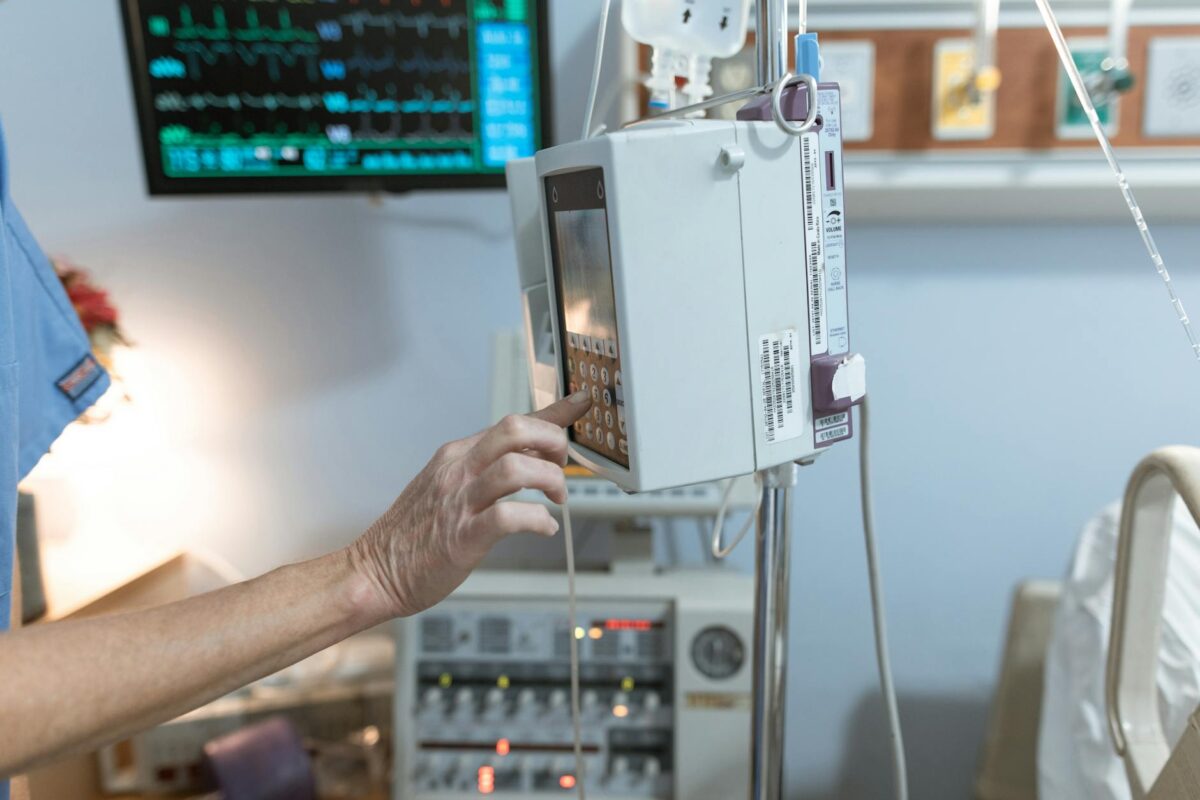
Bard implanted port catheter lawsuit claims continue to grow in 2026. More than 3,500 patients have filed federal lawsuits against C.R. Bard and its parent company Becton Dickinson. These cases allege that PowerPort implanted port catheters were made with defective materials. Patients report serious injuries including catheter fractures, device migration, and life-threatening infections. The first bellwether trial concluded in May 2026. As a result, the litigation has entered a critical phase that could shape the future of every pending claim.
Complete a short case review to see whether your diagnosis, Bard PowerPort implant history, and records may fit current attorney screening criteria. Submitting information does not guarantee representation, compensation, or participation in any lawsuit or settlement.
Case Timeline
Last checked: October 18, 2026
What Is the Bard Implanted Port Catheter Lawsuit About?
| MDL Detail | Current Data |
|---|---|
| MDL Number | MDL-3081 |
| Pending Cases | 4,140 |
| Presiding Judge | David G. Campbell |
| Federal District | AZ |
| Data Source | U.S. Judicial Panel on Multidistrict Litigation |
| Last Updated | October 05, 2026 |
The Bard PowerPort is an implantable port catheter used for long-term intravenous access. Doctors commonly implant these devices in cancer patients who need chemotherapy. The port sits beneath the skin, typically in the chest. A catheter connects the port to a large vein. This allows medical staff to deliver medications without repeated needle sticks. C.R. Bard manufactured these devices for years before Becton Dickinson acquired the company.
Plaintiffs in the bard implanted port catheter lawsuit allege that the device’s catheter tubing contains a defective material called Chronoflex. According to research published in the Journal of the Mechanical Behavior of Biomedical Materials, barium sulfate particles in the material can cause notches in the catheter wall. These notches weaken the tubing over time. As a result, catheters may fracture inside the body. Broken fragments can then travel through the bloodstream to the heart or lungs.
The injuries reported in these cases are severe. Patients have experienced catheter fractures, blood clots, deep vein thrombosis, and serious infections including sepsis. In some cases, catheter fragments migrated to the heart and required emergency surgical removal. The FDA’s MAUDE database recorded 438 adverse event reports for PowerPort devices in just a three-month period between December 2025 and February 2026. However, no full recall has been issued for catheter fracture defects.
MDL Case Status and Key Facts
| Detail | Information |
|---|---|
| MDL Number | 3081 |
| Official Name | In re: Bard Implanted Port Catheter Products Liability Litigation |
| Presiding Judge | Judge David G. Campbell |
| Federal District | District of Arizona |
| Approximate Pending Cases | 3,564 |
| Date Consolidated | August 2023 |
| First Bellwether Trial | April 21, 2026 (Cook v. Becton Dickinson) |
| Next Scheduled Trial | August 18, 2026 (first fracture case) |
| Defendant | C.R. Bard / Becton Dickinson (BD) |
The Judicial Panel on Multidistrict Litigation consolidated these cases in August 2023. Judge Campbell oversees all pretrial proceedings in the District of Arizona. The bard implanted port catheter lawsuit MDL continues to grow each month as new plaintiffs file claims. Six bellwether trials are scheduled between April 2026 and February 2027.
The first bellwether case, Cook v. Becton Dickinson, went to trial on April 21, 2026. The plaintiff had received a PowerPort at the Mayo Clinic for chemotherapy. However, less than two weeks after implantation, an infection forced surgical removal. The jury returned a defense verdict on the failure-to-warn claim. However, jurors deadlocked on the design defect and unlawful trade practices claims. The second bellwether trial, originally set for July 7, 2026, was withdrawn after the plaintiff died in February 2026. The next trial begins August 18, 2026, and is the first case in the MDL built on a catheter fracture claim rather than an infection. Further trials follow on October 13 and December 1, 2026, and February 2, 2027.
Who Qualifies for the Bard Implanted Port Catheter Lawsuit?
You might be eligible to file a bard implanted port catheter lawsuit if you had a Bard PowerPort implanted and experienced complications. Qualifying injuries typically include catheter fracture or breakage, device migration from the implant site, bloodstream infections or sepsis, blood clots or deep vein thrombosis, and erosion of the port through the skin. In most cases, plaintiffs experienced these complications during or after chemotherapy treatment.
Medical records are essential to any claim. You will need documentation of the device implantation, imaging studies showing fracture or migration, surgical notes from removal procedures, and records of any emergency room visits. For example, CT scans or X-rays showing catheter fragments in the bloodstream provide strong evidence. Hospital pathology reports confirming a Bard PowerPort model are also important.
The time period for eligible claims is broad. Bard manufactured PowerPort devices for many years before the litigation began. However, the statute of limitations varies by state. Typically, you have two to four years from the date of injury or discovery of injury. It is important to consult a licensed attorney promptly to determine your filing deadline.
How to File a Bard Implanted Port Catheter Lawsuit Claim
Filing a bard implanted port catheter lawsuit begins with a free legal consultation. An experienced mass tort attorney can evaluate your medical history and determine eligibility. During this initial review, the attorney will assess whether your device and injuries qualify. Most attorneys handling these cases work on a contingency fee basis. This means you typically pay nothing unless you recover compensation.
After retaining counsel, your attorney will gather medical records and file the complaint. In most cases, the lawsuit is filed in federal court and transferred to MDL-3081 in Arizona. You will then need to complete a Plaintiff Fact Sheet. This document provides detailed information about your medical history, device implantation, and injuries. Your attorney handles the legal filings and court deadlines on your behalf.
Time is an important factor. Statutes of limitations range from one to four years depending on your state. Some states use a discovery rule, which starts the clock when you first learned of the injury. Others measure from the date of the actual harm. As a result, even if your implantation was years ago, you may still qualify. A licensed attorney can advise you on your specific state deadline.
📨 Get Free Mass Tort Guides Alerts
Free · No spam · Unsubscribe anytime
Settlement Updates and What to Expect
As of July 2026, no global settlement has been reached in the bard implanted port catheter lawsuit. The first bellwether trial resulted in a mixed outcome. Bard won on the failure-to-warn claim. However, the jury could not agree on the design defect question. This split verdict means the core allegations remain unresolved. Judge Campbell has directed both sides to begin settlement negotiations in July 2026.
The remaining bellwether trials will play a significant role in shaping any future settlement. If plaintiffs secure favorable verdicts in upcoming cases, settlement values could increase. Conversely, additional defense wins could reduce leverage. Factors that typically affect individual compensation include the severity of injury, number of required surgeries, duration of hospitalization, and long-term health impacts. Settlement amounts in medical device cases vary widely based on these factors.
The bard implanted port catheter lawsuit timeline may extend well into 2027 and beyond. MDL cases of this size typically take several years to reach resolution. However, the scheduled settlement talks in July 2026 suggest movement toward negotiation. Plaintiffs should maintain patience and keep all medical documentation organized. Your attorney can provide case-specific updates as bellwether results come in.
State-by-State Considerations
State laws significantly affect how a bard implanted port catheter lawsuit proceeds. Each state has different statutes of limitations, damage caps, and rules about product liability. For example, some states cap non-economic damages in personal injury cases. Others allow punitive damages under certain conditions. Plaintiffs in states like Texas, Florida, California, Pennsylvania, and Ohio make up notable portions of the case count.
Tort reform laws in your state may limit the compensation available. However, because these cases are consolidated in federal MDL, certain pretrial rulings apply uniformly. Individual cases may eventually be remanded to their home states for trial. You can learn more about how your state’s laws may affect your claim on our state-by-state tort reform guide. Consulting a licensed attorney familiar with your state’s laws is strongly recommended.
Frequently Asked Questions
Is the Bard PowerPort the same device involved in the bard implanted port catheter lawsuit?
Yes. The Bard PowerPort is the primary device at issue in MDL-3081. It is an implantable port catheter manufactured by C.R. Bard, now owned by Becton Dickinson. Lawsuits allege the catheter tubing is made with defective Chronoflex material that degrades over time.
How long does the bard implanted port catheter lawsuit process take?
Mass tort MDL cases typically take several years from consolidation to resolution. MDL-3081 was consolidated in August 2023, and bellwether trials are running through early 2027. Settlement negotiations may begin in mid-2026. However, individual timelines depend on case complexity and your specific injuries.
Can I still file a bard implanted port catheter lawsuit in 2026?
You may still be eligible depending on your state’s statute of limitations. Many states allow two to four years from the date of injury or discovery. Because new cases are still being added to the MDL each month, filing remains possible for many patients. Contact a qualified mass tort attorney to evaluate your specific situation and deadlines.
Check If You May Qualify
Mass tort eligibility depends on your specific exposure, injuries, and the state where you live. A licensed mass tort attorney can evaluate your situation at no upfront cost — most work on contingency, meaning you pay nothing unless you recover compensation.
Official Sources & Resources
For verified mass tort and MDL information:
- U.S. Judicial Panel on Multidistrict Litigation (JPML)
- U.S. Department of Justice
- FDA Safety Alerts & Recalls
- Centers for Disease Control and Prevention
- U.S. Environmental Protection Agency
Content last reviewed July 2026. This is general educational information, not legal advice. If you notice outdated information, please contact us.
Related Guides
- All Active MDL Cases
- More in This Category
- Tort Reform by State — 50-State Comparison
- All 50 State Tort Reform Guides
- Mass Tort Explainers
- Demographic Guides
- Mass Tort Tips
- New York Tort Reform Guide
- Ohio Tort Reform Guide
- California Tort Reform Guide
Attorney Advertising. The information on this page is provided for general informational purposes only and does not constitute legal advice. No attorney-client relationship is created by accessing or using this content. Every case is unique, and results depend on the specific facts and circumstances involved. Past settlement amounts and case outcomes do not guarantee similar results in your case. If you believe you have a legal claim, you should consult with a licensed attorney in your jurisdiction who can evaluate your specific situation.
Complete a short case review to see whether your diagnosis, Bard PowerPort implant history, and records may fit current attorney screening criteria. Submitting information does not guarantee representation, compensation, or participation in any lawsuit or settlement.
Important: Legal deadlines can be time sensitive and vary by state, diagnosis date, exposure history, and other facts. Submitting information through this website does not file a lawsuit, preserve your rights, create an attorney-client relationship, or guarantee that any attorney will contact or represent you. If you do not receive a response, or if you are unsure about a filing deadline, you should promptly contact a qualified attorney of your choice to discuss your specific situation.
About this page: MassTortInfo.com is an informational publishing platform and a marketing / referral platform. We are not a law firm, settlement administrator, claims administrator, or government agency, and we do not provide legal advice. No attorney-client relationship is created by using this site or submitting any form. Submitting a form does not guarantee representation, compensation, eligibility, or participation in any lawsuit or settlement. This page contains paid advertising, and we may be compensated if you submit a case review. See our Terms of Service, Privacy Policy, and Disclaimer & Advertising Disclosure.