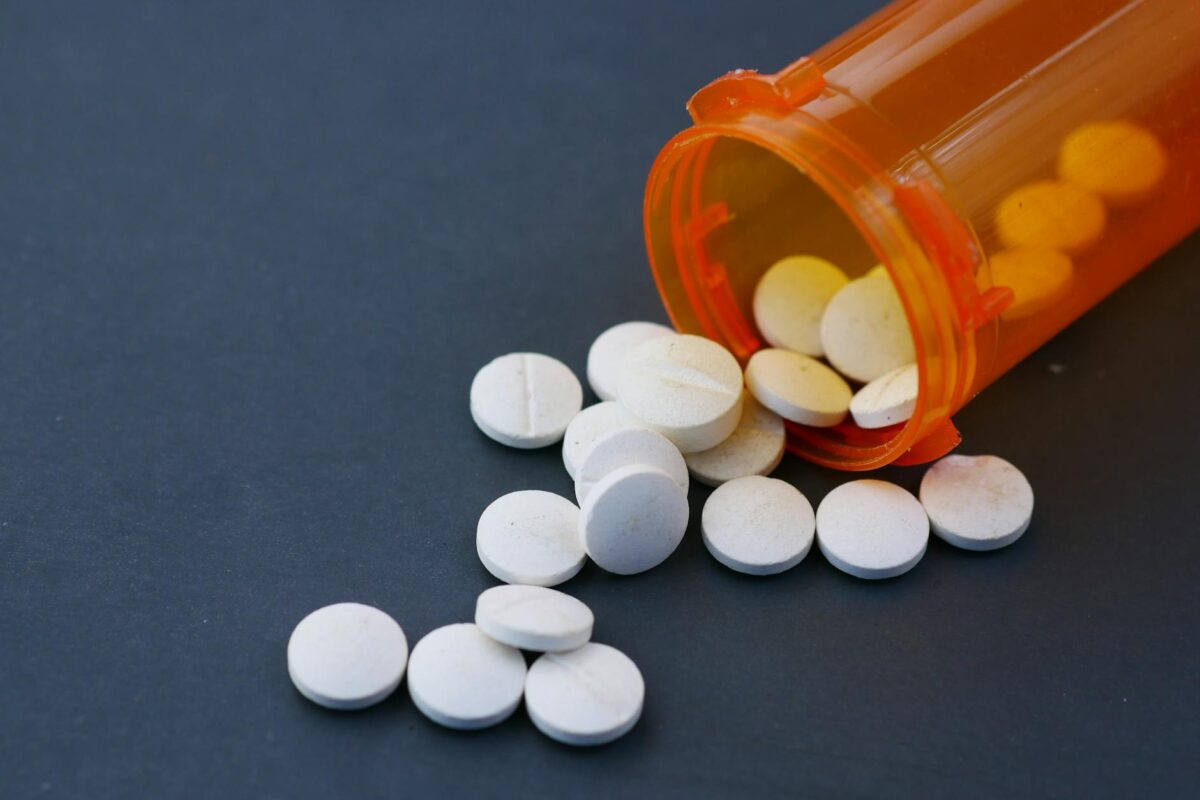
Proton-pump inhibitor (no. ii) lawsuit claims allege that popular heartburn medications caused serious kidney damage. Thousands of patients took drugs like Nexium, Prilosec, Prevacid, and Protonix for acid reflux. Many later developed chronic kidney disease or kidney failure. The proton-pump inhibitor (no. ii) lawsuit consolidates these claims into a single federal proceeding. This multidistrict litigation aims to hold pharmaceutical manufacturers accountable for failing to warn consumers about serious health risks.
- What Is the Proton-Pump Inhibitor (No. Ii) Lawsuit About?
- MDL Case Status and Key Facts
- Who Qualifies for the Proton-Pump Inhibitor (No. Ii) Lawsuit?
- How to File a Proton-Pump Inhibitor (No. Ii) Lawsuit Claim
- Settlement Updates and What to Expect
- State-by-State Considerations
- Frequently Asked Questions
Case Timeline
Last checked: October 18, 2026
What Is the Proton-Pump Inhibitor (No. Ii) Lawsuit About?
| MDL Detail | Current Data |
|---|---|
| MDL Number | MDL-2789 |
| Pending Cases | 11,404 |
| Presiding Judge | Claire C. Cecchi |
| Federal District | NJ |
| Data Source | U.S. Judicial Panel on Multidistrict Litigation |
| Last Updated | October 05, 2026 |
Proton-pump inhibitors (PPIs) are among the most widely prescribed medications in the United States. Brand names include Nexium, Prilosec, Prevacid, Protonix, and Dexilant. Doctors prescribe them for gastroesophageal reflux disease (GERD), ulcers, and chronic heartburn. However, research has linked long-term PPI use to severe kidney injuries. Plaintiffs in the proton-pump inhibitor (no. ii) lawsuit allege that manufacturers knew about these risks. They claim drug makers failed to provide adequate warnings to patients and doctors.
The primary injuries alleged include acute interstitial nephritis, acute kidney injury, and chronic kidney disease. Some patients developed end-stage renal disease requiring dialysis or transplant. A 2016 study in JAMA Internal Medicine found PPI users faced a 28 to 50 percent higher risk of chronic kidney disease. A separate study found a 96 percent increased risk of kidney failure among long-term PPI users. These findings form the scientific backbone of the litigation.
Key defendants include AstraZeneca, Takeda Pharmaceuticals, Pfizer, Procter & Gamble, and GlaxoSmithKline. Plaintiffs argue these companies prioritized profits over patient safety. In most cases, the claims center on the failure to warn about kidney risks before the FDA required label changes in December 2014. Even after that warning, plaintiffs contend the labels remained inadequate.
MDL Case Status and Key Facts
| Detail | Information |
|---|---|
| MDL Number | 2789 |
| Full Title | Proton-Pump Inhibitor Products Liability Litigation (No. II) |
| Presiding Judge | Judge Claire C. Cecchi |
| Federal District | District of New Jersey |
| Approximate Pending Cases | 11,322 |
| Total Cases Filed | Approximately 18,700 |
| Bellwether Trial Status | No trial completed; settlement reached before first scheduled trial |
The proton-pump inhibitor (no. ii) lawsuit was consolidated in the District of New Jersey. Judge Claire Cecchi oversees all federal PPI kidney injury claims. As a result, approximately 11,322 cases remain active as of early 2026. Roughly 7,400 additional cases have been resolved through settlements or dismissals. The court has issued over 100 case management orders to guide the litigation.
A bellwether trial was originally scheduled for October 2023. However, a major settlement was announced just days before trial. No new bellwether trial dates have been set for 2025 or 2026. The litigation is currently in a claims administration phase. A parallel state court proceeding also runs in New Jersey’s Atlantic County under Judge Danielle J. Walcoff.
Who Qualifies for the Proton-Pump Inhibitor (No. Ii) Lawsuit?
You may qualify for the proton-pump inhibitor (no. ii) lawsuit if you took a PPI medication and later developed kidney problems. Qualifying medications include Nexium, Prilosec, Prevacid, Protonix, Dexilant, and Aciphex. Both prescription and over-the-counter versions are included. Typically, claimants used these drugs for extended periods before their diagnosis.
Qualifying injuries generally include acute kidney injury, chronic kidney disease, acute interstitial nephritis, and end-stage renal disease. You might be eligible if you received a kidney-related diagnosis after taking PPIs. Medical records linking your PPI use to your kidney condition are important. For example, hospital records, prescription history, and nephrologist reports strengthen a claim. A licensed attorney can evaluate whether your specific situation meets the criteria.
The timing of your diagnosis matters as well. Most claims involve PPI use that began before manufacturers updated their warning labels. However, claims may still be valid for later use if warnings remained inadequate. Each state applies different rules for when the filing deadline begins. Consulting an attorney promptly helps protect your right to file.
How to File a Proton-Pump Inhibitor (No. Ii) Lawsuit Claim
Filing a proton-pump inhibitor (no. ii) lawsuit claim begins with consulting a mass tort attorney. Most attorneys handling PPI cases offer free case evaluations. They work on a contingency fee basis. This means you typically pay nothing upfront. The attorney reviews your medical history and PPI usage to determine eligibility.
If your case qualifies, your attorney files a complaint in the MDL or an appropriate state court. You will need to complete a Plaintiff Fact Sheet. This document details your medical history, PPI usage, and injuries. The court uses these fact sheets to organize and evaluate claims. As a result, accuracy and completeness are critical when filling out this form.
Statute of limitations deadlines vary by state. Most states allow one to three years from the date you discovered your injury. The discovery rule is particularly important in PPI cases. Many patients did not learn about the PPI-kidney connection until years after their diagnosis. However, waiting too long can bar your claim entirely. An experienced attorney can advise you on your state’s specific deadline.
📨 Get Free Mass Tort Guides Alerts
Free · No spam · Unsubscribe anytime
Settlement Updates and What to Expect
The proton-pump inhibitor (no. ii) lawsuit has seen significant settlement activity. In October 2023, a major settlement was reached with AstraZeneca covering Nexium and Prilosec kidney claims. Additional settlements followed with Takeda, Pfizer, Procter & Gamble, and GlaxoSmithKline. The combined settlement value across all defendants reportedly exceeds half a billion dollars. Individual payout amounts vary based on several factors.
Settlement distributions are currently being processed. Plaintiffs who submitted their Plaintiff Fact Sheets on time are in the claims review process. Initial payouts began in late 2025 and early 2026. Full distribution may extend into 2027. The amount each plaintiff receives depends on injury severity, duration of PPI use, and medical documentation. Cases involving kidney failure or dialysis typically receive higher compensation than those involving less severe kidney impairment.
No bellwether trial has gone to verdict in this proton-pump inhibitor (no. ii) lawsuit. Settlements were reached before any jury decision. For plaintiffs still considering filing, the settlement process remains ongoing. However, deadlines exist for submitting required documentation. An attorney familiar with the MDL can help determine if new claims are still being accepted.
State-by-State Considerations
State laws significantly affect proton-pump inhibitor (no. ii) lawsuit claims. Each state has its own statute of limitations, damage caps, and product liability rules. For example, New Jersey has seen the highest concentration of PPI cases due to hosting both the federal MDL and a state multicounty litigation. California and Pennsylvania also have notable plaintiff counts. States like Texas and Florida apply tort reform laws that may cap certain damages.
Some states apply a one-year filing deadline while others allow up to three years. Damage caps in certain states limit non-economic compensation. In most cases, your attorney will file in the jurisdiction most favorable to your claim. You can learn more about how your state’s laws affect mass tort claims on our state-by-state tort reform guide.
Frequently Asked Questions
Is there still time to file a proton-pump inhibitor (no. ii) lawsuit claim?
It depends on your state’s statute of limitations and when you discovered your injury. Some filing windows may still be open under the discovery rule. Consulting a licensed attorney as soon as possible is the best way to determine your eligibility.
What types of kidney injuries qualify for this lawsuit?
Qualifying injuries typically include acute kidney injury, chronic kidney disease, acute interstitial nephritis, and end-stage renal disease. Bone fractures and stomach cancer have also been alleged in some cases. Medical documentation connecting your injury to PPI use is essential.
How long does it take to receive a settlement payout?
Settlement timelines vary depending on case complexity and claims processing. The proton-pump inhibitor (no. ii) lawsuit settlements are currently being distributed. Some plaintiffs have already received initial payments, while others may wait until 2027 for full distribution. Your attorney can provide a timeline specific to your claim.
Check If You May Qualify
Mass tort eligibility depends on your specific exposure, injuries, and the state where you live. A licensed mass tort attorney can evaluate your situation at no upfront cost — most work on contingency, meaning you pay nothing unless you recover compensation.
Official Sources & Resources
For verified mass tort and MDL information:
- U.S. Judicial Panel on Multidistrict Litigation (JPML)
- U.S. Department of Justice
- FDA Safety Alerts & Recalls
- Centers for Disease Control and Prevention
- U.S. Environmental Protection Agency
Content last reviewed May 2026. This is general educational information, not legal advice. If you notice outdated information, please contact us.
Related Guides
- All Active MDL Cases
- More in This Category
- Tort Reform by State — 50-State Comparison
- All 50 State Tort Reform Guides
- Mass Tort Explainers
- Demographic Guides
- Mass Tort Tips
- North Carolina Tort Reform Guide
- Ohio Tort Reform Guide
- Florida Tort Reform Guide
Attorney Advertising. The information on this page is provided for general informational purposes only and does not constitute legal advice. No attorney-client relationship is created by accessing or using this content. Every case is unique, and results depend on the specific facts and circumstances involved. Past settlement amounts and case outcomes do not guarantee similar results in your case. If you believe you have a legal claim, you should consult with a licensed attorney in your jurisdiction who can evaluate your specific situation.