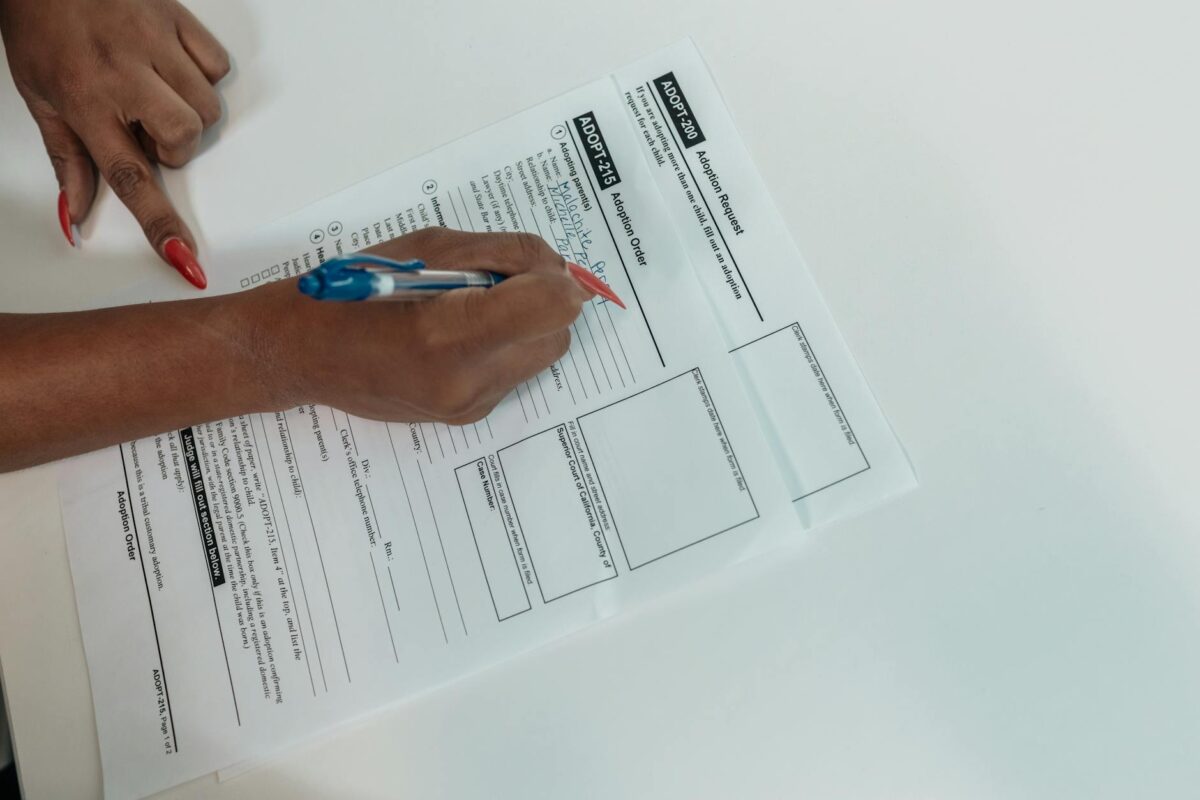
What is a plaintiff fact sheet? It is a court-ordered questionnaire that every mass tort claimant must fill out. Think of it as a detailed intake form for your lawsuit. The form asks about your injuries, medical history, and product use. Courts use it to organize thousands of similar cases in one place. In multidistrict litigation (MDL), judges need a way to sort and manage claims. The plaintiff fact sheet gives them that tool. It replaces the back-and-forth of individual discovery requests. Without it, your case cannot move forward.
How a Plaintiff Fact Sheet Works in Mass Tort Cases
Understanding what is a plaintiff fact sheet starts with knowing who creates it. Lawyers for both sides work together to draft the form. The MDL judge then approves it through a Case Management Order. Every plaintiff in the litigation must complete the same version. This keeps the process fair and efficient for all parties involved.
The form covers several key areas. You will answer questions about your personal information, including name and address. You must describe the product you used and when you used it. Your medical history goes back at least five years. You list every doctor, hospital, and pharmacy involved in your treatment. You also sign releases so your medical records can be obtained. Everything is sworn under penalty of perjury.
Deadlines are strict. Most MDL courts give plaintiffs 75 to 120 days to submit a completed form. If you miss the deadline, you may get a deficiency notice. That gives you about 30 more days to fix it. Miss that window, and the court may dismiss your case entirely. A Federal statute (28 U.S.C. § 1407) gives the transferee judge broad authority to manage these proceedings.
Why What Is a Plaintiff Fact Sheet Matters for Your Case
Your plaintiff fact sheet is the foundation of your individual claim. Mass tort cases are not class actions. Each person must prove their own injuries and damages. The fact sheet is how you do that. It tells the court exactly what happened to you. It separates your story from thousands of others in the same litigation.
Courts also use fact sheets to pick bellwether trial cases. These are test cases that go to trial first. They set the tone for settlement talks. If your fact sheet is strong and complete, your case may be selected. That can mean your claim gets resolved sooner. A well-prepared fact sheet can directly impact the value of your case.
Since December 2025, Federal Rule of Civil Procedure 16.1 has been in effect. This is the first federal rule written specifically for MDL cases. It encourages early information exchange, including fact sheets. Courts now have even more reason to require them early in the process. This makes understanding what is a plaintiff fact sheet more important than ever.
Real-World Examples
The 3M Combat Arms Earplug litigation (MDL 2885) was the largest mass tort in U.S. history. Over 391,000 cases were filed. Every plaintiff had to submit a fact sheet documenting military service, product use, and hearing loss. About 41,000 claims were dismissed for failing to provide adequate documentation. The remaining claimants shared in a $6 billion settlement. This case shows what is a plaintiff fact sheet in action at massive scale.
In the AFFF firefighting foam litigation (MDL 2873), plaintiffs must submit their fact sheet within 90 days of filing. They must include complete medical records and proof of PFAS chemical exposure. The Paragard IUD MDL gives plaintiffs 120 days and requires medical history from five years before device placement. Each MDL tailors the form to its specific product and injuries.
| MDL Name | MDL Number | PFS Deadline | Pending Cases (2026) |
|---|---|---|---|
| 3M Earplugs | 2885 | Varied by track | Closed ($6B settled) |
| Talc / Johnson & Johnson | 2738 | Per CMO schedule | 67,000+ |
| AFFF Firefighting Foam | 2873 | 90 days from filing | 13,900+ |
| Paragard IUD | 2974 | 120 days from filing | Active |
| NEC Baby Formula | 3026 | Per CMO schedule | 797 |
| Hair Relaxer | 3060 | Per CMO schedule | Active |
Common Misconceptions
Many people confuse what is a plaintiff fact sheet with a deposition. They are not the same thing. A fact sheet is a written questionnaire you complete on paper or online. A deposition involves live questioning by attorneys. Fact sheet answers are given under oath, but there is no cross-examination. Think of it as a structured interview on paper.
Another myth is that your MDL leadership counsel handles everything for you. They do not. Leadership counsel manages the overall litigation strategy. But your own attorney must complete your individual fact sheet. Your lawyer gathers your medical records and fills in the details. If your attorney neglects this, your case could be dismissed. The Judicial Panel on Multidistrict Litigation transfers your case, but the work still falls on your legal team.
Some claimants believe the fact sheet is just a formality. That is dangerously wrong. In the Bair Hugger MDL, 244 cases were recommended for dismissal because plaintiffs failed to submit their forms. Some were over six years overdue. Courts have become stricter about enforcement. What is a plaintiff fact sheet is really a make-or-break document for your claim. Treating it casually can end your case permanently.
What This Means for You
If you are part of a mass tort lawsuit, you may qualify for potential compensation. But only if your case stays active. Your plaintiff fact sheet is what keeps your claim alive. Start gathering your documents now. Collect medical records, prescription histories, and product receipts. Write down dates of use and treatment from memory while they are fresh.
📨 Get Free Mass Tort Guides Alerts
Free · No spam · Unsubscribe anytime
Be honest and thorough on every answer. Vague or incomplete responses trigger deficiency notices. Courts verify information against medical records and other documentation. Inconsistencies can damage your credibility. What is a plaintiff fact sheet is ultimately a test of your claim’s legitimacy. Give it the attention it deserves.
You should consult a licensed attorney who handles mass tort cases. An experienced lawyer knows exactly what each MDL court requires. They understand the deadlines and the consequences of missing them. They can help you present your strongest case. What is a plaintiff fact sheet may seem like paperwork, but it is the single most important document in your litigation. Do not leave it to chance.
Frequently Asked Questions
What happens if I do not complete my plaintiff fact sheet on time?
Your case can be dismissed. Courts first send a deficiency notice giving you extra time. If you still do not comply, the judge may issue a show-cause order. After that, dismissal can be without prejudice (you can refile) or with prejudice (permanent). In several MDLs, courts have dismissed hundreds of cases at once for non-compliance. Always meet your deadlines or communicate with your attorney immediately if you cannot.
What is a plaintiff fact sheet asking me to share, and is it confidential?
The form asks for personal details including your Social Security number, medical history, and treatment records. You must also sign authorization forms allowing access to your records. This information is shared with defense counsel under court protective orders. It is not made public. The data stays within the litigation and is used only for case management and settlement evaluation.
Can I fill out the plaintiff fact sheet myself without a lawyer?
Technically, yes. But it is strongly recommended that you work with a licensed attorney. The form requires precise legal and medical information. Errors or omissions can weaken your claim or lead to dismissal. An attorney ensures your answers are accurate, complete, and supported by documentation. Most mass tort lawyers handle fact sheet preparation as part of their representation at no upfront cost.
Check If You May Qualify
Mass tort eligibility depends on your specific exposure, injuries, and the state where you live. A licensed mass tort attorney can evaluate your situation at no upfront cost — most work on contingency, meaning you pay nothing unless you recover compensation.
Official Sources & Resources
For verified mass tort and MDL information:
- JPML: jpml.uscourts.gov — official MDL statistics and transfer orders
- DOJ: justice.gov — settlement announcements and press releases
- FDA: fda.gov — drug recalls, warning letters, and safety alerts
- CDC: cdc.gov — health condition data and exposure guidelines
- EPA: epa.gov — environmental contamination data
- Cornell LII: law.cornell.edu — plain-English legal definitions
Content last reviewed May 2026. This is general educational information, not legal advice. If you notice outdated information, please contact us.
Related Guides
- All Active MDL Cases
- More in This Category
- Tort Reform by State — 50-State Comparison
- All 50 State Tort Reform Guides
- Mass Tort Explainers
- Demographic Guides
- Mass Tort Tips
- Pennsylvania Tort Reform Guide
- California Tort Reform Guide
- New Jersey Tort Reform Guide
Attorney Advertising. The information on this page is provided for general informational purposes only and does not constitute legal advice. No attorney-client relationship is created by accessing or using this content. Every case is unique, and results depend on the specific facts and circumstances involved. Past settlement amounts and case outcomes do not guarantee similar results in your case. If you believe you have a legal claim, you should consult with a licensed attorney in your jurisdiction who can evaluate your specific situation.