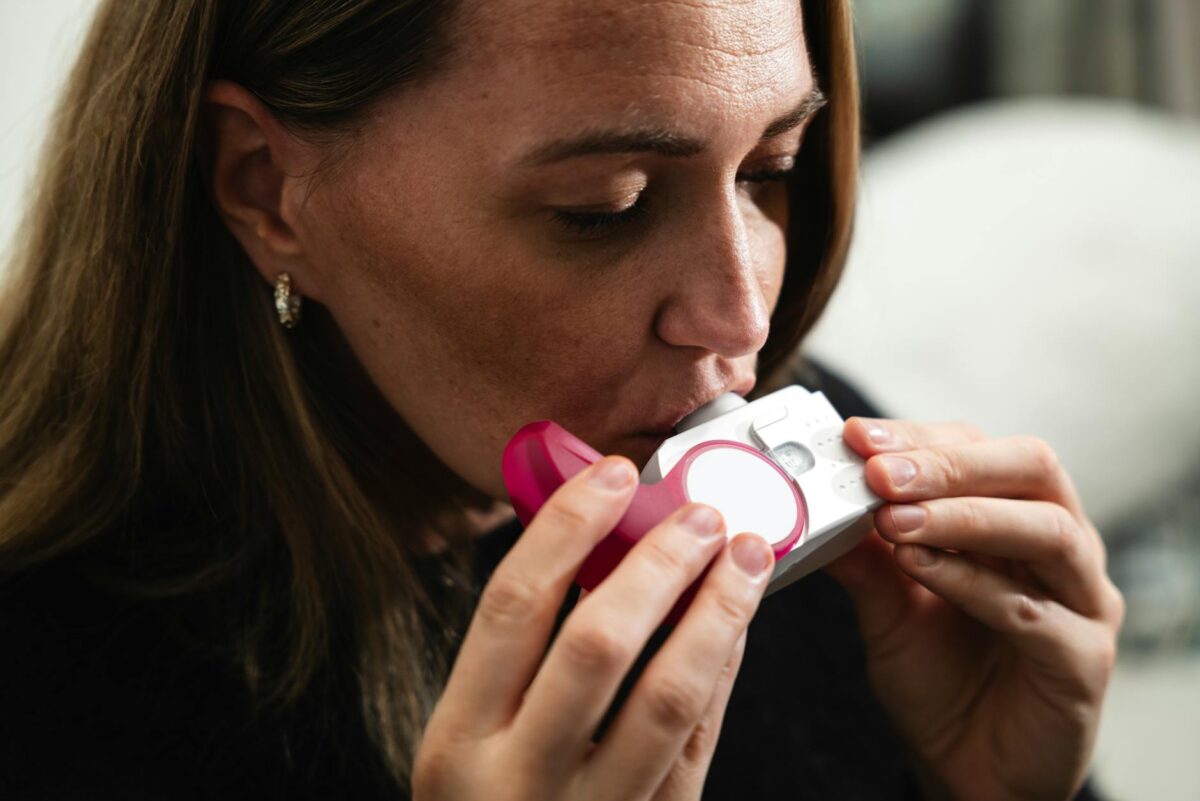
CPAP lawsuit claims have become one of the largest medical device litigations in U.S. history. In June 2021, Philips Respironics recalled approximately 15 million CPAP, BiPAP, and mechanical ventilator devices worldwide. The recall affected roughly 5.5 million devices in the United States alone. A polyester-based polyurethane foam inside these machines was degrading.
Users were inhaling toxic particles and chemical gases while they slept. As a result, thousands of people developed serious respiratory injuries and cancers. If you used a recalled Philips device, you may qualify to seek compensation through the ongoing federal litigation.
Case Timeline
Last checked: October 19, 2026
What Is the CPAP Lawsuit About?
The CPAP lawsuit centers on PE-PUR sound abatement foam. Philips used this foam to reduce noise and vibration in its sleep therapy devices. However, the foam broke down over time. Heat, humidity, and ozone-based cleaning products accelerated the degradation. As the foam deteriorated, it released black particulate matter into the air pathway. Users inhaled or swallowed these particles during sleep. The foam also off-gassed volatile organic compounds, which are invisible toxic chemicals.
Recalled devices were manufactured between October 2007 and August 2021. The most widely used model was the DreamStation first generation. Other affected devices include the SystemOne Q-Series, Dorma 400 and 500, REMstar SE Auto, Trilogy 100 and 200, and several A-Series BiPAP machines. The DreamStation 2 was not affected by the recall.
Plaintiffs in the CPAP lawsuit allege a range of serious injuries. Cancer claims include lung cancer, kidney cancer, liver cancer, and head and neck cancers. Non-cancer injuries include COPD exacerbation, chronic bronchitis, pneumonia, and interstitial lung disease. The FDA has received over 116,000 adverse event reports, including 561 reports of death linked to foam degradation in these devices.
MDL Case Status and Key Facts
| Detail | Information |
|---|---|
| MDL Number | 3014 |
| Full Case Name | In Re: Philips Recalled CPAP, Bi-Level PAP, and Mechanical Ventilator Products Litigation |
| Presiding Judge | Senior U.S. District Judge Joy Flowers Conti |
| Federal District | Western District of Pennsylvania (Pittsburgh) |
| Consolidated Date | October 8, 2021 |
| Active Cases (March 2026) | Approximately 619 |
| PI Settlement Claimants | 58,000+ |
| Bellwether Trials | Projected for late 2026 (non-settling cases) |
The CPAP lawsuit was consolidated into MDL 3014 in October 2021. Thousands of individual cases were transferred to Judge Conti’s court in Pittsburgh. In April 2024, the federal court entered a consent decree against Philips Respironics. This restricted production and sale of new devices until remediation requirements were met.
Daubert hearings on expert causation testimony were scheduled for mid-2025. No bellwether trial has produced a jury verdict as of May 2026. However, approximately 619 active cases remain in the MDL. These non-settling cases may proceed to trial in late 2026. For example, in January 2026, Judge Conti remanded at least one CPAP cancer case back to Kentucky state court.
Who Qualifies for the CPAP Lawsuit?
You might be eligible for the CPAP lawsuit if you used a recalled Philips device. The affected devices were manufactured between October 2007 and August 2021. Qualifying injuries include cancers such as lung, kidney, liver, pancreatic, and head and neck cancers. Respiratory conditions like COPD, chronic bronchitis, pneumonia, and asthma also qualify. In most cases, you must show a connection between your device use and your diagnosis.
Evidence that strengthens a CPAP lawsuit claim includes medical records documenting your diagnosis. Device purchase receipts or insurance records proving ownership are also important. Sleep study records showing prescribed CPAP therapy help establish usage history. Typically, claimants also need documentation showing they used a recalled model specifically, not the unaffected DreamStation 2.
The registration deadline for the personal injury settlement was January 31, 2025. However, new claims may still be accepted in certain circumstances. This is especially true for recently diagnosed cancers. Many states apply a “discovery rule” for statutes of limitations. Under this rule, the clock starts when you learn your injury is connected to the device. You should consult a licensed attorney to determine whether you can still file.
How to File a CPAP Lawsuit Claim
Filing a CPAP lawsuit claim typically begins with contacting an experienced mass tort attorney. Most firms handling these cases work on a contingency fee basis. This means you pay nothing upfront. Your attorney will review your medical records, device history, and diagnosis. They will determine whether your case meets the criteria for the MDL or a state court filing.
Once retained, your lawyer will file the necessary paperwork. In the federal MDL, plaintiffs must complete a Plaintiff Fact Sheet. This detailed questionnaire documents your device usage, medical history, and injuries. Your attorney handles most of this process. However, you will need to provide medical authorizations and cooperate with discovery requests.
Statutes of limitations vary by state. Typically, personal injury claims must be filed within two to four years. The recall date of June 14, 2021, is a key reference point. For states with shorter deadlines, some filing windows may have already closed. As a result, acting quickly is critical. A qualified attorney can advise whether your state’s deadline has passed or whether the discovery rule extends your window.
📨 Get Free Mass Tort Guides Alerts
Free · No spam · Unsubscribe anytime
CPAP Lawsuit Settlement Updates and What to Expect
Philips announced a major personal injury settlement in April 2024. The total fund is approximately $1.1 billion. This includes $1.075 billion for personal injury claims and $25 million for medical monitoring. More than 58,000 claimants registered before the January 2025 deadline. Initial settlement payments began going out in late 2025.
A separate economic loss class action settlement of at least $479 million covers device replacement costs. Approximately 3 million class members registered for that program. Individual economic loss payments have ranged from modest per-device amounts to higher sums for those who returned their recalled machines.
Settlement amounts for personal injury claims vary based on the severity of the diagnosed condition. Less severe respiratory symptoms receive lower-tier payments. Cancer claims and wrongful death cases are eligible for higher compensation. However, as of early 2026, court-approved offers for the most severe cancer claims are still being processed. Multiple factors affect individual payouts, including injury type, duration of device use, and supporting medical evidence. You should consult a licensed attorney for a realistic assessment of your specific claim.
State-by-State Considerations
Although the CPAP lawsuit is consolidated in federal court in Pennsylvania, state laws still matter. Each plaintiff’s claim is governed by the tort law of their home state. For example, statutes of limitations range from two years in states like Kentucky and Tennessee to four years in states like Florida and Utah. Pennsylvania, where the MDL is based, has a two-year statute. States like California and Texas have two-year and three-year windows, respectively.
State tort reform laws can also affect damage caps and available remedies. Some states limit non-economic damages in personal injury cases. Others have specific rules about medical device liability. For a detailed breakdown, review our state-by-state tort reform guide. Understanding your state’s rules is essential before pursuing a CPAP lawsuit claim.
Frequently Asked Questions
Is it too late to file a CPAP lawsuit in 2026?
It depends on your state’s statute of limitations and when you were diagnosed. The personal injury settlement registration deadline was January 31, 2025. However, if you received a recent cancer diagnosis, the discovery rule may extend your filing window. Consult a licensed attorney to evaluate your specific situation.
What types of cancer qualify for the CPAP lawsuit?
Lung cancer, kidney cancer, liver cancer, pancreatic cancer, and head and neck cancers are among the most commonly claimed. Laryngeal cancer and breast cancer have also been alleged in filings. Your attorney can assess whether your specific diagnosis qualifies based on your device usage history.
How long will it take to receive a CPAP lawsuit settlement payment?
Initial payments for lower-tier claims began in late 2025. Higher-value cancer and death claims are still being processed as of May 2026. The full distribution process is expected to take multiple years. Each claim is evaluated individually, so timelines vary based on injury severity and documentation.
Check If You May Qualify
Mass tort eligibility depends on your specific exposure, injuries, and the state where you live. A licensed mass tort attorney can evaluate your situation at no upfront cost — most work on contingency, meaning you pay nothing unless you recover compensation.
Official Sources & Resources
For verified mass tort and MDL information:
- JPML: jpml.uscourts.gov — official MDL statistics and transfer orders
- DOJ: justice.gov — settlement announcements and press releases
- FDA: fda.gov — drug recalls, warning letters, and safety alerts
- CDC: cdc.gov — health condition data and exposure guidelines
- EPA: epa.gov — environmental contamination data
- Cornell LII: law.cornell.edu — plain-English legal definitions
Content last reviewed May 2026. This is general educational information, not legal advice. If you notice outdated information, please contact us.
Related Guides
- All Active MDL Cases
- More in This Category
- Tort Reform by State — 50-State Comparison
- All 50 State Tort Reform Guides
- Mass Tort Explainers
- Demographic Guides
- Mass Tort Tips
- California Tort Reform Guide
- New Jersey Tort Reform Guide
- Pennsylvania Tort Reform Guide
Attorney Advertising. The information on this page is provided for general informational purposes only and does not constitute legal advice. No attorney-client relationship is created by accessing or using this content. Every case is unique, and results depend on the specific facts and circumstances involved. Past settlement amounts and case outcomes do not guarantee similar results in your case. If you believe you have a legal claim, you should consult with a licensed attorney in your jurisdiction who can evaluate your specific situation.