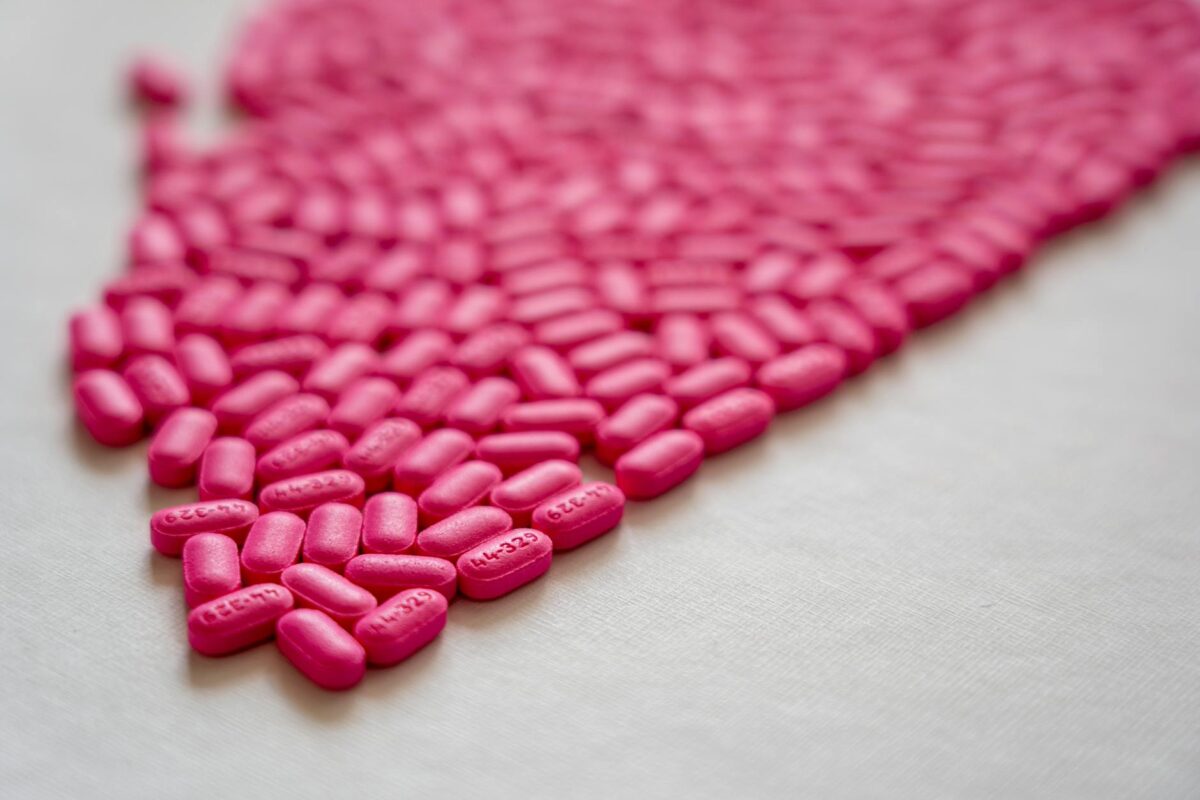
Zantac lawsuit claims allege that the popular heartburn medication contained dangerous levels of NDMA, a probable human carcinogen. Millions of Americans took Zantac for acid reflux and heartburn over several decades. The active ingredient ranitidine was found to degrade into NDMA during normal storage. The FDA pulled all ranitidine products from the market in April 2020. Since then, thousands of plaintiffs have filed claims against major pharmaceutical manufacturers. This litigation remains one of the largest mass tort actions in the United States.
Case Timeline
Last checked: October 18, 2026
What Is the Zantac Lawsuit About?
| MDL Detail | Current Data |
|---|---|
| MDL Number | MDL-2924 |
| Pending Cases | 847 |
| Presiding Judge | Robin L. Rosenberg |
| Federal District | FLS |
| Data Source | U.S. Judicial Panel on Multidistrict Litigation |
| Last Updated | October 05, 2026 |
Zantac was one of the most widely used heartburn drugs in the world. Its active ingredient, ranitidine, gained FDA approval in 1983. For decades, it was available both over-the-counter and by prescription. However, testing later revealed that ranitidine breaks down into N-Nitrosodimethylamine over time. NDMA is classified as a probable human carcinogen by multiple agencies. This contamination is not a manufacturing defect. It is inherent to how the ranitidine molecule degrades under normal conditions.
In September 2019, online pharmacy Valisure first alerted the FDA to NDMA contamination in ranitidine. The FDA confirmed the findings and issued safety warnings that same month. By October 2019, Sanofi voluntarily recalled Zantac from the U.S. market. On April 1, 2020, the FDA requested all manufacturers withdraw ranitidine products immediately. Testing showed NDMA levels that exceeded the agency’s acceptable daily intake limit. Higher temperatures during storage and distribution accelerated the contamination further.
Plaintiffs in the Zantac lawsuit allege that long-term ranitidine use caused various cancers. These include bladder cancer, stomach cancer, liver cancer, esophageal cancer, and pancreatic cancer. State court filings also involve colorectal, kidney, prostate, and breast cancer claims. Key defendants include GlaxoSmithKline, Sanofi, Boehringer Ingelheim, and Pfizer. Each company played a different role in manufacturing, marketing, or distributing ranitidine products.
MDL Case Status and Key Facts
| Detail | Information |
|---|---|
| MDL Number | MDL No. 2924 |
| Full Case Name | In Re: Zantac (Ranitidine) Products Liability Litigation |
| Presiding Judge | Judge Robin L. Rosenberg |
| Federal District | U.S. District Court, Southern District of Florida |
| Federal Case Count | Approximately 2,070 actions (50,000+ individual claims) |
| Consolidated | February 6, 2020 |
| Federal MDL Status | Effectively dismissed (December 2022 Daubert ruling) |
| Eleventh Circuit Appeal | Argued October 2025; decision pending |
The federal MDL was consolidated by the U.S. Judicial Panel on Multidistrict Litigation in February 2020. Over 2,000 actions representing more than 50,000 individual claims were centralized in one court. However, on December 6, 2022, Judge Rosenberg issued a landmark 341-page ruling. She excluded all ten of plaintiffs’ general causation experts under the Daubert standard. The court found their methodologies unreliable, citing analytical leaps and selective use of studies. As a result, summary judgment was granted for all defendants.
Plaintiffs appealed to the U.S. Court of Appeals for the Eleventh Circuit. Oral arguments took place on October 10, 2025. During argument, judges questioned whether the lower court’s review was overly broad. One circuit judge asked whether Judge Rosenberg had been “a little too thorough.” However, no decision has been issued as of May 2026. This appeal remains the most significant pending event for the federal Zantac lawsuit.
Who Qualifies for the Zantac Lawsuit?
You may qualify for a Zantac lawsuit claim if you used ranitidine regularly and later developed cancer. Typically, plaintiffs must demonstrate consistent use over a meaningful period of time. The cancers most commonly linked to these claims include bladder, stomach, liver, esophageal, and pancreatic cancer. Some state court filings also include colorectal, kidney, and prostate cancer. However, eligibility depends on several factors specific to each individual case.
Evidence that strengthens a claim includes pharmacy records, prescription history, and medical documentation. For example, plaintiffs who can show years of regular Zantac use generally have stronger cases. A treating physician’s opinion linking the cancer to NDMA exposure is also important. In most cases, plaintiffs need to demonstrate they used ranitidine before the April 2020 market withdrawal. Medical records confirming both the diagnosis and treatment history are essential.
It is important to note that no jury has yet found Zantac caused a plaintiff’s cancer. This litigation faces significant scientific causation challenges in every jurisdiction. Multiple trials have ended in defense verdicts or mistrials on the causation question. However, this does not mean future claims cannot succeed. The science continues to evolve. Consulting a licensed attorney is the best way to evaluate your individual situation.
How to File a Zantac Lawsuit Claim
Filing a Zantac lawsuit claim typically begins with consulting an experienced mass tort attorney. A qualified lawyer can evaluate your medical history, usage records, and cancer diagnosis. They will determine whether your claim has merit under current legal standards. Most mass tort attorneys offer free initial consultations. They typically work on a contingency fee basis, meaning no upfront costs to you.
If you decide to proceed, your attorney will file a complaint in the appropriate court. You will likely need to complete a Plaintiff Fact Sheet. This document details your medical history, cancer diagnosis, and Zantac usage timeline. Gather pharmacy receipts, prescription records, and all relevant medical documentation before your consultation. Your attorney will handle all court filings and procedural deadlines on your behalf.
The statute of limitations varies significantly by state. It generally ranges from one to six years from diagnosis or discovery of the causal link. The FDA’s April 2020 recall is often treated as a trigger date for the discovery rule. As a result, filing deadlines have already passed in many states with shorter statutes. If you believe you have a claim, consult an attorney promptly. The window to file new Zantac lawsuit claims is closing rapidly in most jurisdictions.
📨 Get Free Mass Tort Guides Alerts
Free · No spam · Unsubscribe anytime
Settlement Updates and What to Expect
Settlement activity in the Zantac lawsuit has been mixed across different defendants. GSK reached a major settlement covering approximately 80,000 state court claims. Sanofi also resolved thousands of lawsuits through separate settlement agreements. Pfizer reached confidential settlements in individual cases. However, Boehringer Ingelheim has not settled and continues to vigorously defend all claims. Individual settlement amounts vary widely based on cancer type, severity, and available evidence.
Trial results have largely favored defendants to this point. Multiple defense verdicts have been returned in both Illinois and California state courts. Several mistrials occurred where juries deadlocked specifically on the causation question. In Delaware, over 80,000 lawsuits were dismissed in April 2026 after the court excluded plaintiff expert testimony. Connecticut bellwether trials against Boehringer Ingelheim are scheduled to begin in March 2028.
The timeline for full resolution depends on several important factors. The pending Eleventh Circuit decision could potentially revive the federal MDL. State court outcomes continue to shape the overall settlement landscape. Factors that typically affect individual payouts include cancer type, duration of product use, and strength of medical documentation. The Eleventh Circuit ruling may significantly alter the litigation landscape when issued. You might be eligible for compensation, but outcomes are never guaranteed. Always consult a licensed attorney for guidance specific to your case.
State-by-State Considerations
State tort reform laws significantly affect Zantac lawsuit outcomes across the country. Each state has different statutes of limitations, evidentiary standards, and damages caps. For example, California and Illinois have seen multiple state court trials resulting in defense verdicts. Delaware handled the largest volume with over 80,000 claims before its April 2026 mass dismissal. Connecticut has bellwether trials scheduled beginning in 2028. Florida state courts have also issued their own rulings on expert testimony admissibility.
Some states are more favorable to plaintiffs than others in mass tort litigation. Tort reform laws in certain states may limit available damages or impose stricter expert testimony standards. For a detailed breakdown of how your state handles these cases, visit our state-by-state tort reform guide. A local attorney familiar with your state’s courts can provide the most relevant advice for your Zantac lawsuit claim.
Frequently Asked Questions
Is the Zantac lawsuit still active in 2026?
The federal MDL is effectively paused while the Eleventh Circuit appeal remains pending. However, state court litigation continues in several jurisdictions. Connecticut has bellwether trials scheduled for 2028. The litigation is not over, but its path forward remains uncertain.
What cancers qualify for a Zantac-related claim?
The most commonly alleged cancers include bladder, stomach, liver, esophageal, and pancreatic cancer. Some state court filings also involve colorectal, kidney, prostate, and breast cancer. A licensed attorney can help determine whether your specific diagnosis may qualify.
How long do I have to file a claim?
The statute of limitations varies by state, typically ranging from one to six years. Many deadlines have already passed, especially in states with two-year statutes. Consult an attorney as soon as possible to determine whether your claim is still timely.
Check If You May Qualify
Mass tort eligibility depends on your specific exposure, injuries, and the state where you live. A licensed mass tort attorney can evaluate your situation at no upfront cost — most work on contingency, meaning you pay nothing unless you recover compensation.
Official Sources & Resources
For verified mass tort and MDL information:
- JPML: jpml.uscourts.gov — official MDL statistics and transfer orders
- DOJ: justice.gov — settlement announcements and press releases
- FDA: fda.gov — drug recalls, warning letters, and safety alerts
- CDC: cdc.gov — health condition data and exposure guidelines
- EPA: epa.gov — environmental contamination data
- Cornell LII: law.cornell.edu — plain-English legal definitions
Content last reviewed May 2026. This is general educational information, not legal advice. If you notice outdated information, please contact us.
Related Guides
- All Active MDL Cases
- More in This Category
- Tort Reform by State — 50-State Comparison
- All 50 State Tort Reform Guides
- Mass Tort Explainers
- Demographic Guides
- Mass Tort Tips
- New York Tort Reform Guide
- Pennsylvania Tort Reform Guide
- Ohio Tort Reform Guide
Attorney Advertising. The information on this page is provided for general informational purposes only and does not constitute legal advice. No attorney-client relationship is created by accessing or using this content. Every case is unique, and results depend on the specific facts and circumstances involved. Past settlement amounts and case outcomes do not guarantee similar results in your case. If you believe you have a legal claim, you should consult with a licensed attorney in your jurisdiction who can evaluate your specific situation.