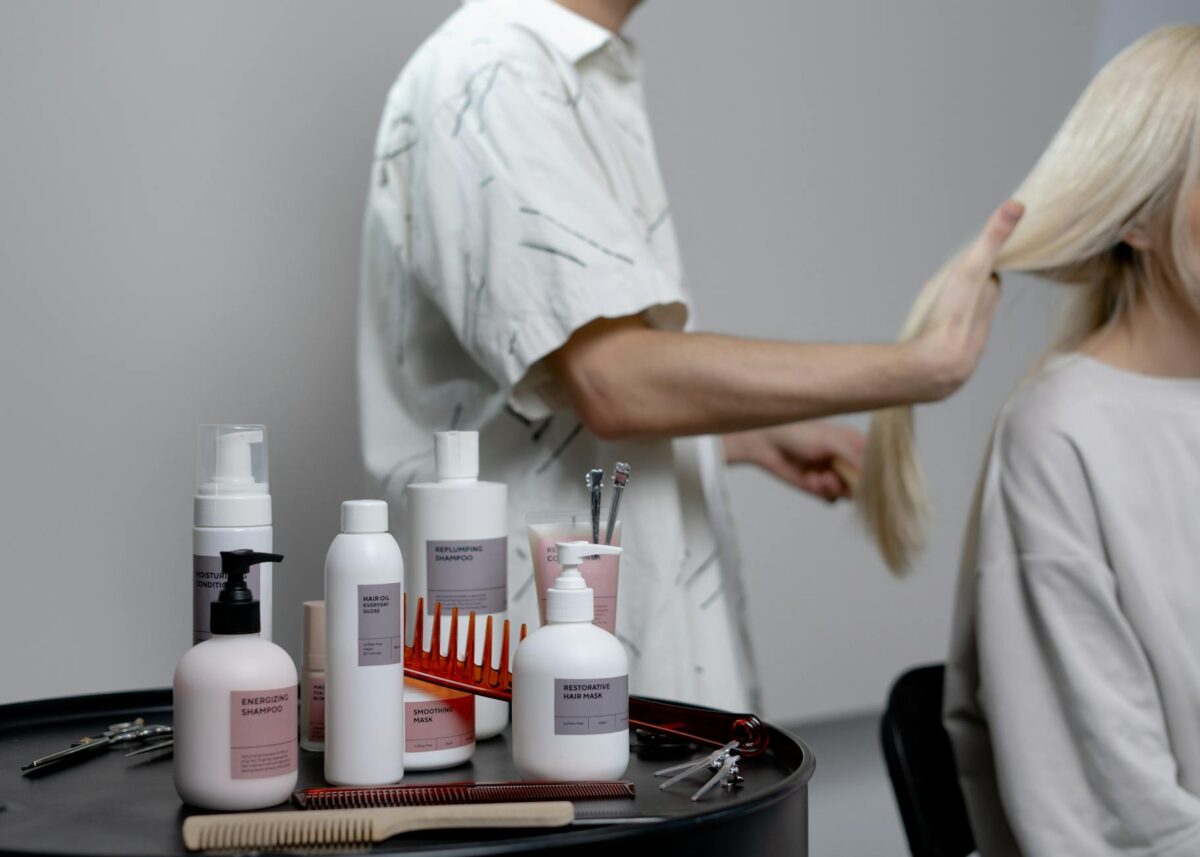
Hair relaxer lawsuit filings continue to grow in 2026 as thousands of women seek justice for cancer diagnoses linked to chemical hair straightening products. This multidistrict litigation, known as MDL-3060, consolidates claims from women who developed uterine cancer, ovarian cancer, or endometrial cancer after years of using chemical hair relaxers. The products, marketed almost exclusively to women of color, contained endocrine-disrupting chemicals such as formaldehyde, parabens, and phthalates. If you used these products and received a qualifying diagnosis, you may be eligible to file a claim.
Case Timeline
Last checked: September 03, 2026
What Is the Hair Relaxer Lawsuit About?
| MDL Detail | Current Data |
|---|---|
| MDL Number | MDL-3060 |
| Pending Cases | 11,877 |
| Presiding Judge | Mary M. Rowland |
| Federal District | ILN |
| Data Source | U.S. Judicial Panel on Multidistrict Litigation |
| Last Updated | August 03, 2026 |
The hair relaxer lawsuit centers on chemical straightening products sold by major manufacturers for decades. Brands include Dark & Lovely, ORS Olive Oil, African Pride, and Optimum Salon. These products contained formaldehyde, methylene glycol, parabens, bisphenol A, and other endocrine-disrupting chemicals. Plaintiffs allege that manufacturers knew about these health risks but failed to warn consumers.
A landmark 2022 study by the National Institutes of Health changed everything. The NIH Sister Study, published in the Journal of the National Cancer Institute, followed 33,497 women over approximately 11 years. Researchers found that women who used chemical hair straighteners more than four times per year were more than twice as likely to develop uterine cancer. The risk rose from 1.64% to 4.05% for frequent users.
The injuries alleged in this hair relaxer lawsuit include uterine cancer, endometrial cancer, and ovarian cancer. Some claims also involve uterine fibroids that required a hysterectomy. An estimated 89% of Black women in the United States have used hair relaxers at least once. As a result, this litigation carries significant public health implications for communities of color.
MDL Case Status and Key Facts
| Detail | Information |
|---|---|
| MDL Number | 3060 |
| Case Name | In Re: Hair Relaxer Marketing, Sales Practices and Products Liability Litigation |
| Presiding Judge | Judge Mary M. Rowland |
| Federal District | Northern District of Illinois (Eastern Division) |
| Approximate Case Count | 11,400+ (as of May 2026) |
| Bellwether Trials | Expected mid-2027 |
| Daubert Motions Filed | April 1, 2026 (rulings pending) |
The Judicial Panel on Multidistrict Litigation consolidated this hair relaxer lawsuit in February 2023. Since then, the case count has grown from a few hundred to over 11,400 claims. Roughly 245 new cases were added in May 2026 alone. Judge Rowland has taken an active role in bellwether case selection.
A “Science Day” hearing took place on January 8, 2026. Both sides presented expert testimony on how chemicals in hair relaxers may cause cancer. General causation expert discovery closed on March 2, 2026. Fact discovery for the 32-case bellwether pool closed on March 18, 2026. The court selected the first three bellwether trial cases in late February 2026. However, no trials have occurred yet.
Daubert motions challenging expert testimony were filed by April 1, 2026. These rulings are critical. If the court admits plaintiffs’ causation evidence, the path to trial and settlement opens significantly. Summary judgment motions are due by November 16, 2026.
Who Qualifies for the Hair Relaxer Lawsuit?
Eligibility for the hair relaxer lawsuit depends on several factors. You may qualify if you used chemical hair straighteners or relaxers for at least five continuous years before your diagnosis. Alternatively, using these products four or more times within a single year may also meet the usage threshold. The products must have contained formaldehyde, phthalates, or similar chemicals.
Qualifying injuries typically include uterine cancer, endometrial cancer, and ovarian cancer. Uterine fibroids may qualify only if they led to a hysterectomy. In most cases, the diagnosis must have occurred in 2005 or later. Breast cancer is not currently part of the MDL claims.
Evidence that strengthens a claim includes medical records, purchase receipts, and photos showing long-term product use. However, many women may not have saved receipts from years ago. For example, testimony from family members or hairstylists about product use history can also support a claim. You should consult a licensed attorney to evaluate your specific situation.
How to File a Hair Relaxer Lawsuit Claim
The first step is to contact a mass tort attorney who handles hair relaxer cases. Most attorneys offer free case evaluations. They work on a contingency fee basis. This means you typically pay nothing upfront. Your attorney will gather medical records, product usage history, and other documentation.
Once retained, your attorney files a complaint in federal court. The case is then transferred to the MDL in Chicago. You will need to complete a Plaintiff Fact Sheet. This document details your product usage, medical history, and injuries. It is a critical piece of the litigation process.
Statutes of limitations vary by state. They typically range from two to six years. However, most states follow the “discovery rule.” This means the clock starts when you knew or should have known about the link between hair relaxers and cancer. Since the NIH study was published in October 2022, many claims filed through 2025 and 2026 remain timely. Filing sooner is always better. Consult an attorney to confirm your state’s deadline.
📨 Get Free Mass Tort Guides Alerts
Free · No spam · Unsubscribe anytime
Hair Relaxer Lawsuit Settlement Updates and What to Expect
No global settlement has been reached in the hair relaxer lawsuit as of May 2026. No bellwether verdicts exist yet either. Defense attorneys have proposed a “global” approach to resolving cases. However, meaningful settlement talks are unlikely until after bellwether trial results.
Legal analysts project a realistic settlement window beginning in late 2026 at the earliest. More likely, settlements will follow bellwether trials expected in mid-2027. Settlement amounts will vary significantly based on injury type, severity, treatment history, and product usage duration. Typically, more severe diagnoses like uterine or ovarian cancer result in higher compensation than fibroids cases.
Several factors will influence potential payouts. The pending Daubert rulings on expert testimony are crucial. The outcomes of the first bellwether trials will set the tone for negotiations. The number of plaintiffs and each defendant’s financial resources also matter. For example, L’Oréal has substantial assets, while Revlon entered bankruptcy but maintains insurance coverage. You should speak with a qualified attorney about what your individual case might be worth.
State-by-State Considerations
Although the hair relaxer lawsuit is consolidated in federal court in Illinois, state laws still affect individual claims. Each state has its own statute of limitations, damage caps, and tort reform rules. For example, Illinois has 57 state-court cases filed separately from the MDL. Georgia has 126 pending state-court cases. Pennsylvania has 26 state-court filings. States like California, Texas, and New York also have significant plaintiff populations.
State tort reform laws can limit recoverable damages in some jurisdictions. Some states cap non-economic damages or impose other restrictions on product liability claims. Knowing your state’s rules is essential. Visit our state-by-state tort reform guide for details on how your state handles mass tort claims. A licensed attorney in your state can advise on how local laws affect your hair relaxer lawsuit claim.
FDA Regulatory Background
The FDA proposed banning formaldehyde in hair straightening products under the Modernization of Cosmetics Regulation Act (MoCRA). However, the agency has missed six consecutive deadlines. The most recent missed deadline was December 31, 2025. As a result, the hair relaxer lawsuit has become the primary accountability mechanism for consumers harmed by these products.
An FDA spokesperson stated in January 2026 that the proposed ban “continues to remain a priority.” Despite this, no final rule has been issued. This regulatory gap underscores why the hair relaxer lawsuit matters. Without FDA action, litigation remains the best path for affected consumers to seek justice.
Frequently Asked Questions
How long does the hair relaxer lawsuit process take?
Mass tort litigation typically takes several years from filing to resolution. The first bellwether trials in MDL-3060 are expected in mid-2027. Settlements, if reached, would likely follow those trial results. Your individual timeline depends on your case specifics and the overall litigation progress.
Do I need to pay an attorney upfront to join the hair relaxer lawsuit?
Most mass tort attorneys work on contingency. This means they collect a percentage of your recovery only if your case succeeds. You typically owe nothing if there is no recovery. However, fee arrangements vary, so ask about terms during your free consultation.
What if I used hair relaxers but have not been diagnosed with cancer?
Currently, the hair relaxer lawsuit requires a qualifying diagnosis such as uterine cancer, endometrial cancer, ovarian cancer, or uterine fibroids requiring hysterectomy. If you have not been diagnosed, you do not have a claim at this time. However, you should monitor your health closely and discuss screening options with your doctor.
Check If You May Qualify
Mass tort eligibility depends on your specific exposure, injuries, and the state where you live. A licensed mass tort attorney can evaluate your situation at no upfront cost — most work on contingency, meaning you pay nothing unless you recover compensation.
Official Sources & Resources
For verified mass tort and MDL information:
- JPML: jpml.uscourts.gov — official MDL statistics and transfer orders
- DOJ: justice.gov — settlement announcements and press releases
- FDA: fda.gov — drug recalls, warning letters, and safety alerts
- CDC: cdc.gov — health condition data and exposure guidelines
- EPA: epa.gov — environmental contamination data
- Cornell LII: law.cornell.edu — plain-English legal definitions
Content last reviewed May 2026. This is general educational information, not legal advice. If you notice outdated information, please contact us.
Related Guides
- All Active MDL Cases
- More in This Category
- Tort Reform by State — 50-State Comparison
- All 50 State Tort Reform Guides
- Mass Tort Explainers
- Demographic Guides
- Mass Tort Tips
- North Carolina Tort Reform Guide
- Florida Tort Reform Guide
- New Jersey Tort Reform Guide
Attorney Advertising. The information on this page is provided for general informational purposes only and does not constitute legal advice. No attorney-client relationship is created by accessing or using this content. Every case is unique, and results depend on the specific facts and circumstances involved. Past settlement amounts and case outcomes do not guarantee similar results in your case. If you believe you have a legal claim, you should consult with a licensed attorney in your jurisdiction who can evaluate your specific situation.